01TIMER.COM / Timing system guides / Athlete testing
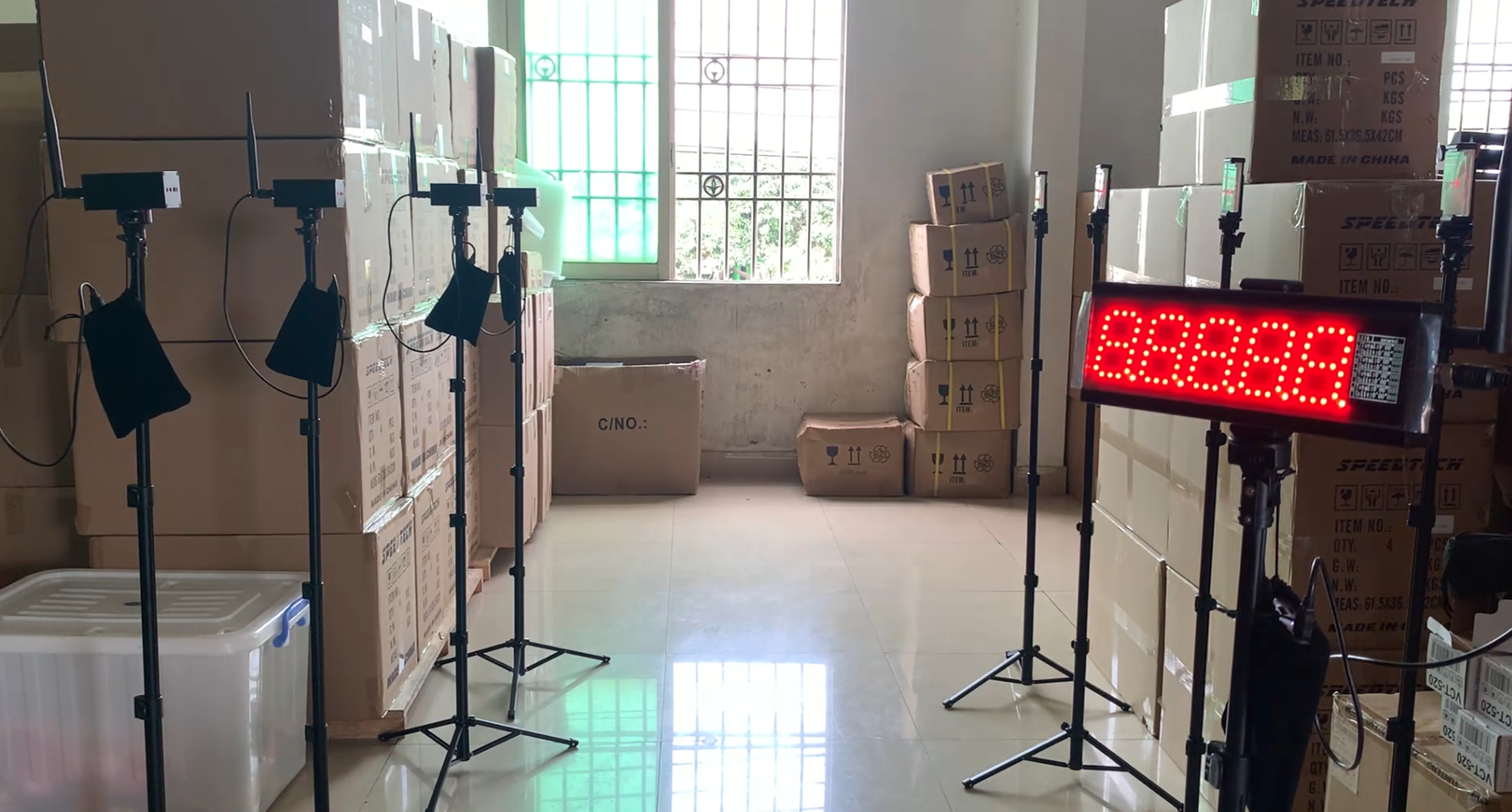
How to Build a Repeatable Athlete Timing Test
A useful timing result is more than a number. It has a known protocol, a clear identity, and enough context to compare one session with the next.
Write the protocol on one page
Record the distance, start position, finish rule, warm-up, rest interval, number of valid attempts, and what makes an attempt invalid. Keep the wording short enough that every coach or operator can use the same version.
Separate setup from measurement
Set the gates and test the equipment before athletes enter the lane. Once the setup is verified, avoid moving a gate to solve a single unusual result. If the course must change, close the current block of attempts and record the new layout as a separate block.
Use stable identities
Assign each athlete a consistent ID or name and label lanes or timing points. Record the attempt number beside the result. This prevents a fast time from becoming detached from the person, lane, or condition that produced it.
Define valid and invalid attempts
Examples include leaving before the stated start rule, missing the intended path, stopping inside the test distance, or a confirmed equipment trigger problem. Note the reason for an invalid attempt instead of deleting it silently. The note helps explain why the number of results differs between athletes.
Capture the context that can change a result
- Date, venue, surface, and direction of travel.
- Weather or indoor conditions when they matter.
- Equipment layout, timing points, and model used.
- Warm-up, recovery, footwear, bicycle, or other test-specific details.
Review results without over-reading them
Look at the best valid attempt, the typical attempt, and the spread between attempts. A single improvement is worth checking against the protocol and conditions before calling it a trend. Compare like with like, and keep a note when the test format changes.
Make the next session easier
Save the protocol, layout sketch, lane labels, and operator checklist together. The 01TIMER manuals page and setup support can help with model-specific setup questions. For systems that need split or multi-point results, review the relevant solutions before expanding the layout.
Consistency is the point: a modest test repeated the same way is usually more useful for coaching than a complex test that changes every week.