
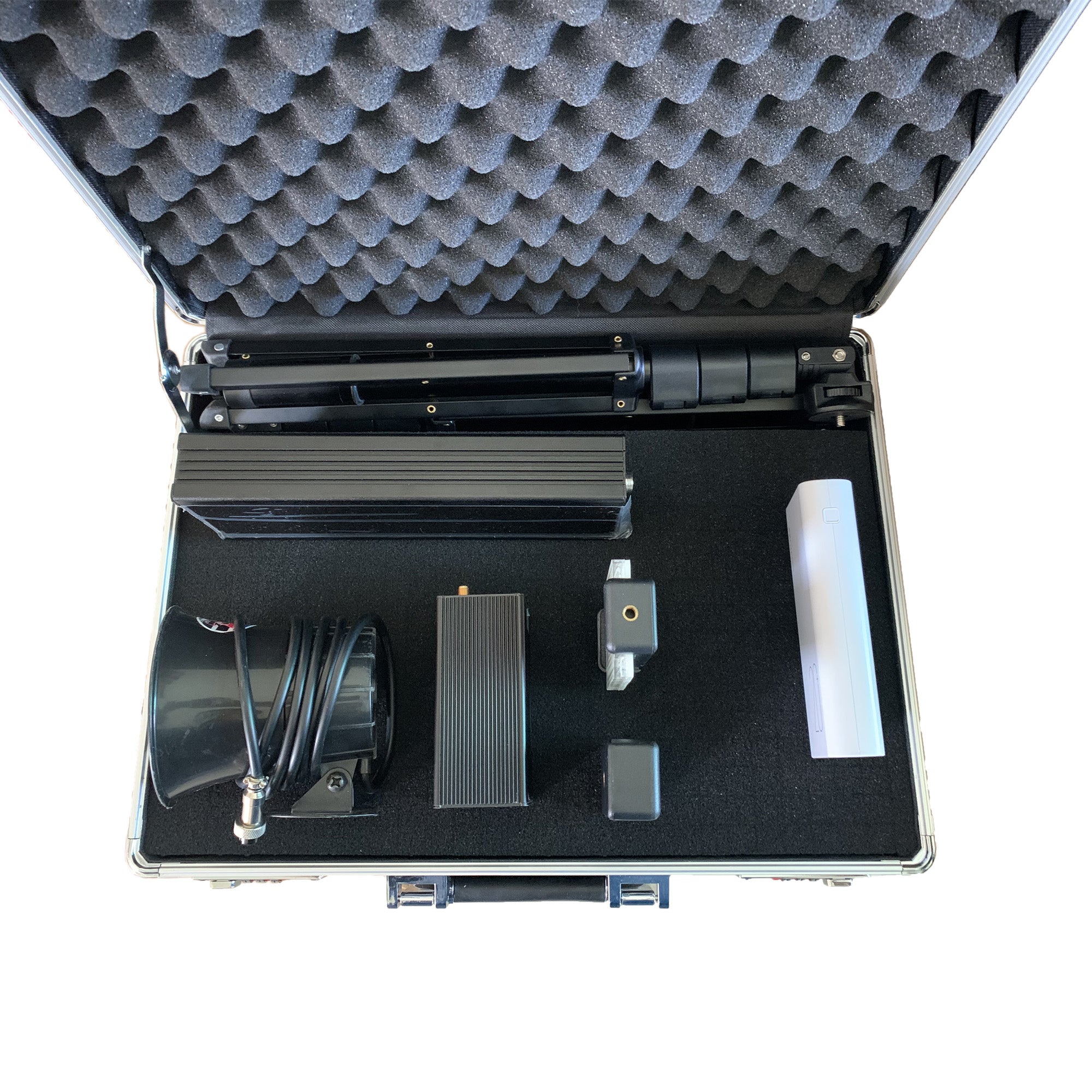
Start with the result you need to collect
A useful buying decision begins with the test plan, not a product name. Write down the distances you test, whether athletes run one at a time or in groups, and whether you only need a final result or need to compare sections of the run. A simple 30 m or 60 m start-to-finish test has a different requirement from an acceleration profile, flying sprint or repeated-sprint session.
This matters because more timing points add useful context only when your coach or operator will use the extra information. A system should make the session clearer, not create setup work that prevents it from being used.
Match the system to the training workflow
| Typical need | What to plan for | Buying direction |
|---|---|---|
| Occasional start-to-finish tests | Fast packing, simple placement and one clear result | Portable kit |
| Regular sprint assessments | Consistent trigger points and an easy repeatable setup | Dedicated sprint timer |
| Acceleration or split analysis | Several timing points and a clear layout plan | Multi-point system |
| Club, school or training venue | Expandable equipment, shared operation and quote-based planning | Configurable system |
For a mobile coach, a portable option such as B-01 may be the most practical starting point. A focused sprint setup can point toward S-009. When the test requires several timing locations, compare S-007 or the configurable S-400 with your actual layout.
Plan timing points before comparing packages
People often use the words gate, sensor and timing point interchangeably. They are not always counted in exactly the same way by every system. The safer planning method is to map the moments you want to measure: start, intermediate split, finish, return point or another controlled pass. Then confirm with the supplier how that layout maps to the selected model and package.
Use two timing points when the question is simply “how long did the run take?” Add intermediate points only when you need to understand acceleration, a defined split, or the change between sections. Read the timing-gate planning guide before selecting a larger package.
Check the practical setup, not only the feature list
A timing system is more likely to be used consistently when one person can prepare it, athletes understand where to run, and the operator can reset the next attempt without confusion. Before ordering, consider the lane width, ground conditions, tripod positions, storage, charging routine and the people who will operate the system.
Keep the timing-light height, alignment and athlete route consistent whenever you compare results. A sprint study found systematically faster times with lights at hip height than at shoulder height, showing that the beam height can change the recorded result. Record the chosen reference position and avoid moving it between sessions; see the original timing-light height study for the test evidence.
For shared school or club equipment, also decide how results will be recorded and who checks the setup before a testing day. A short repeatable routine is more valuable than a complicated layout that only works when one experienced operator is present.
Decide whether athletes need to see results immediately
A result display is useful when athletes, coaches or event staff need to read results without gathering around the operator. It is not necessary for every one-to-one training session. If you are considering one, plan its position, viewing workflow, available power and compatibility with the timing setup first. The LED display guide explains the questions to confirm before adding display hardware.
Choose a buying path that leaves room for the real use case
Choose a portable kit when the same equipment moves between fields, tracks or schools and the session is straightforward. Choose a configurable system when several timing points, a defined venue layout, a display, a larger quantity or future expansion are part of the requirement. For a direct comparison, see portable timing kits versus configured venue systems.
Sprint timing system checklist before ordering
- List the three tests you run most often and the distance for each.
- Mark every timing point you need to measure.
- Confirm whether the setup moves between locations or remains in one venue.
- Decide who operates the system and who needs to see the result.
- For multi-point, multi-lane or display projects, send the layout, country and quantity with a quote request.
Frequently asked questions
Should I buy the largest gate package first?
Not automatically. Choose a package that supports the tests you will actually run, then confirm whether the selected system can be expanded if the program grows.
Is a portable kit only for beginners?
No. Portability is a workflow choice. It suits any coach, school or club that needs a clean start-to-finish setup in changing locations.
When should I request a configured recommendation?
Request one when you need multiple timing points, a display, a venue layout, several units or confirmation that a package matches a specific test plan.