01TIMER.COM / Timing system guides / Rally timing
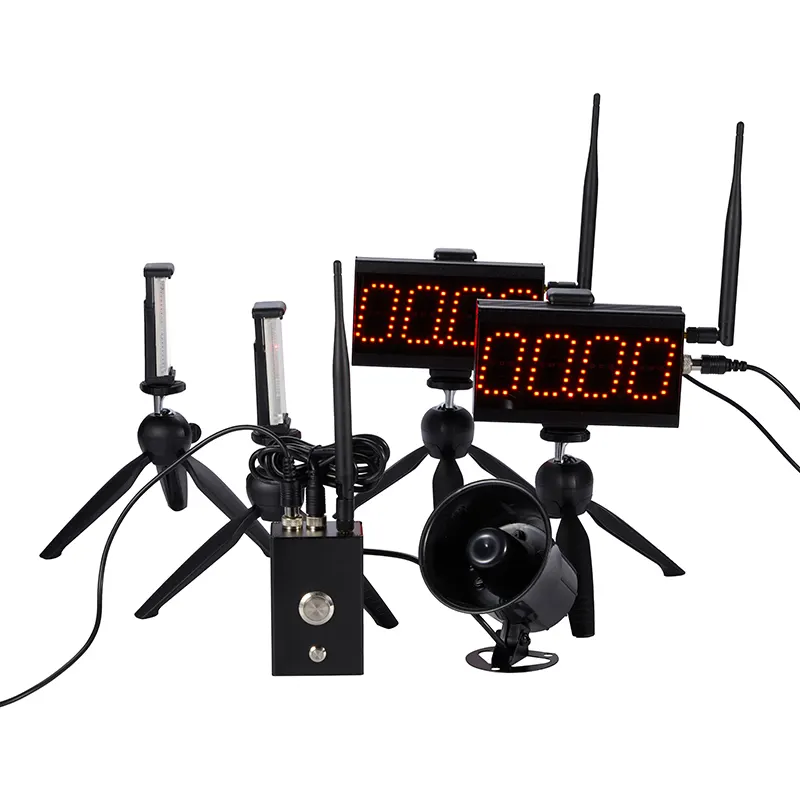
Rally Timing Checkpoints and Results Guide
Rally timing is not just a clock at the finish. It is a chain of decisions about checkpoints, competitor identity, timing events, result review, and how information reaches crews and spectators. Set that chain before equipment is installed.
Start with the event rules, not the hardware
Every event has its own regulations, officials, and safety requirements. Those rules decide what constitutes an official start, finish, checkpoint passage, late arrival, missed control, or penalty. A timing system should support the event's approved process. It should not invent one.
Before choosing locations or products, prepare a one-page timing map. List every control point, its purpose, the person responsible, the expected traffic direction, power and communication needs, and the action to take if the normal timing flow is interrupted.
Give every checkpoint one clear job
| Checkpoint role | Decision to document | Record to retain |
|---|---|---|
| Start | What event begins a competitor's time and who confirms the start. | Competitor identifier, scheduled or actual start record, and any official note. |
| Intermediate control | What counts as a passage and whether it contributes to results, safety, or both. | Checkpoint identity, passage result, and any exception record. |
| Finish | Where the timed stage ends and how competitors safely clear the timing zone. | Finish record, competitor identity, and result-review note if required. |
| Results area | Who validates data before it is shown or published. | Source result, review status, correction history, and approved output. |
Do not ask one checkpoint to handle several unrelated tasks without a workflow. A busy finish might need separate attention for timing, safe vehicle movement, competitor identification, and communications. Clear ownership reduces rushed decisions.
Install around the real path of travel
Walk the course with the people who will operate it. Check the direction of travel, sightlines, surface, vehicle clearance, likely queuing, and the area needed after a finish. A timing point that works in a diagram may be unsuitable once vehicle movement and spectators are considered.
Mount and align equipment according to its product manual, protect cables and power where applicable, and test the exact route that competitors will take. If the course route moves, treat the new layout as a fresh setup: check the physical placement, result flow, and operator communication again.
Test the full result workflow
A successful trigger is only the first part of the test. Use a controlled vehicle or approved test procedure to confirm that a checkpoint result reaches the intended receiver, is linked to the right competitor record, and can be reviewed by the person responsible. Repeat that check for every timing point.
Write down what happens when a result needs review. The process should show who can pause a displayed result, how the source record is checked, and how a corrected decision is logged. That discipline protects the event crew as much as it protects the result.
Plan live information without losing the source record
A public display can make a rally easier to follow, but it should not become the only result record. Keep a source record that can be checked after the timing zone is busy. Label provisional information clearly when the event rules require review before publication.
At the end of the event, retain checkpoint logs, timing exports where available, operator notes, and the approved results. Those records make post-event questions much easier to answer and improve the setup for the next course.
Choose equipment from the checkpoint map
01TIMER's rally timing setup guide is a useful next step for planning a course-specific layout. For published details about multifunction timing hardware, review the current CS-003 product page and confirm suitability with technical support.
Keep the decision trail: timing equipment can capture an event, but the official result also needs a documented checkpoint rule and review process.