
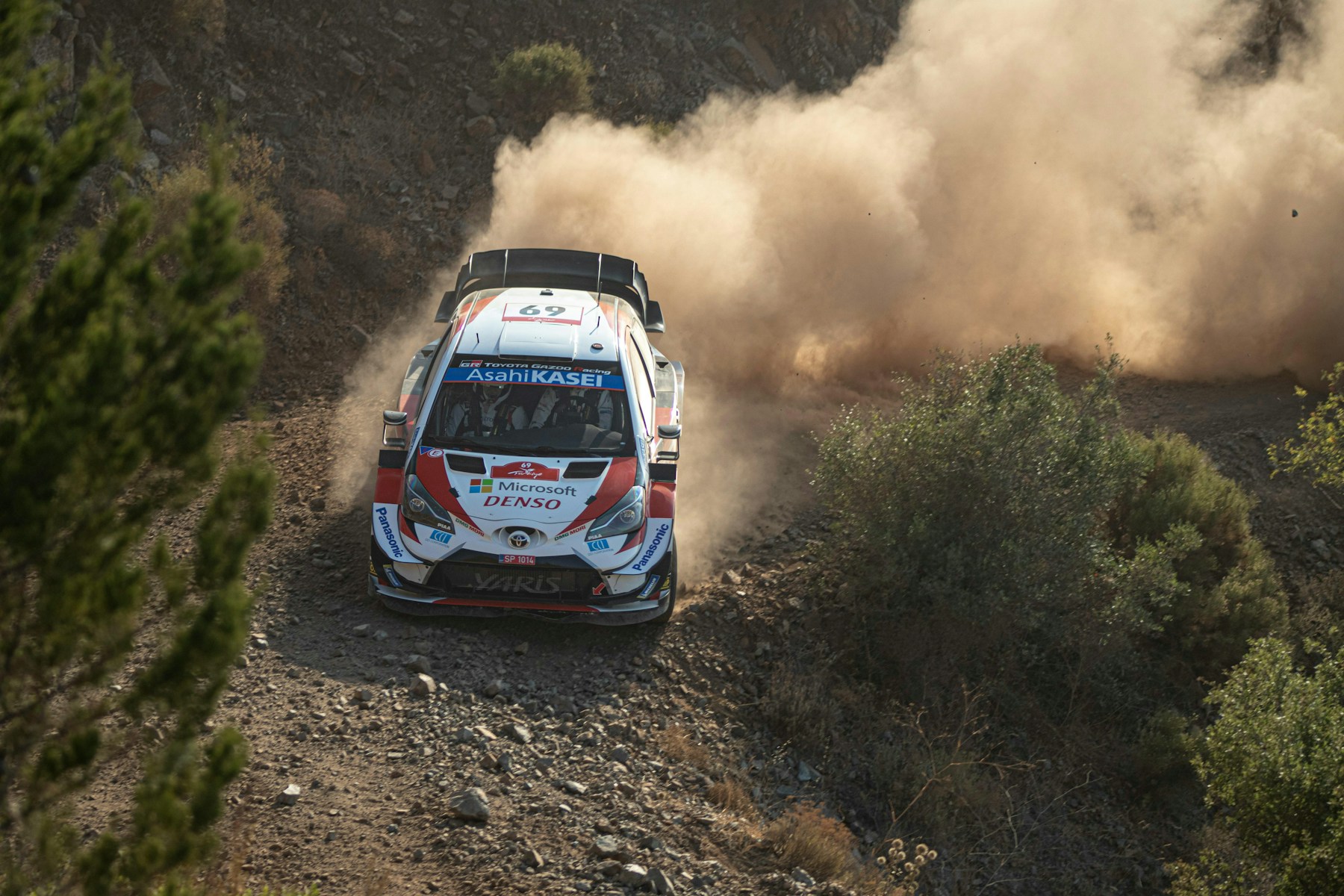
Start with the event workflow
The first decision is not a model name. Map how a vehicle enters the start area, when its stage time begins, where it finishes, who checks the result and how the next vehicle is released. A clear workflow helps the timing layout match the event rather than forcing staff to work around the equipment.
For any official or safety-sensitive event, the event organizer remains responsible for the applicable regulations, personnel, safety procedures and result rules. Timing equipment should support that operating plan, not replace it.
Plan each timing point before selecting equipment
| Event question | What to define first | Why it matters |
|---|---|---|
| When does a stage time start? | Start line, start procedure and vehicle release workflow | Creates a consistent trigger for every competitor |
| Where is the result recorded? | Finish-line location, protected detection area and operator position | Keeps the timing point clear of vehicle and staff movement |
| How are close or disputed results handled? | Result-review process and any visual verification requirement | Helps determine whether camera support is needed |
| Who needs to see the result? | Officials, teams, spectators or a control point | Determines whether a display and communications plan are useful |
Choose the core timing path
A stage-timing project needs a dependable way to record the defined start and finish events. The ML-01 rally timing system is the relevant starting point for rally and hill-climb event planning. Confirm the route drawing, number of locations, event format, country and expected vehicle flow before ordering so the selected package can be checked against the project.
Use camera verification for the right reason
A high-speed camera is not a replacement for the core timing workflow. It can be considered where the organizer needs visual review of a critical finish-line moment or a clear record for result checking. The ST-1000 high-speed camera timing system is best discussed as an additional verification component, with its placement and review workflow planned before the event.
Protect vehicle flow and the detection area
Place sensors, tripods, displays, cables and operator positions so they do not create an obstacle in the vehicle path or a conflict with marshals and officials. Walk the route from the driver, operator and safety-team viewpoints before final installation. A temporary stage layout should also define how equipment is transported, powered, protected and checked between sessions.
Decide how results are communicated
Some events only require officials to read the result at a control point. Others need teams, spectators or a separate results area to see it. Decide this before adding display hardware. A visible display changes the positioning, power and operating plan, so it should be selected for a real communication need rather than added as a generic accessory. See the LED display planning guide for placement and compatibility questions.
Temporary kit or configured event system?
A simple temporary layout can prioritize transport and rapid setup. A multi-stage project, fixed venue, public display, several timing points or repeated event calendar usually benefits from a more complete configured discussion. Compare the two approaches in Portable Timing Kit vs Configured Venue Timing System.
Rally timing checklist before requesting a quote
- Describe the event type and whether it is a rally, hill climb or another motorsport format.
- Provide a route or simple drawing with proposed start, finish and any intermediate timing locations.
- Explain the start sequence, vehicle flow and operator positions.
- State whether result displays or finish-line image review are required.
- Include country, quantity, event date and any installation constraints in a quote request.
Frequently asked questions
Can a rally timing system be planned from the vehicle route alone?
The route is a useful start, but a reliable plan also needs the event workflow: start procedure, timing points, operator positions, result review and how the next vehicle moves through the area.
Do all rally events need a high-speed camera?
No. Camera-based verification should be considered when the organizer needs visual review of a critical result. The core timing workflow, placement and operating procedures still come first.
What details make a quote more accurate?
Provide the event format, route or stage drawing, timing locations, vehicle flow, result-display requirement, country, quantity and target event date.