01TIMER.COM / Timing system guides / Selection matrix
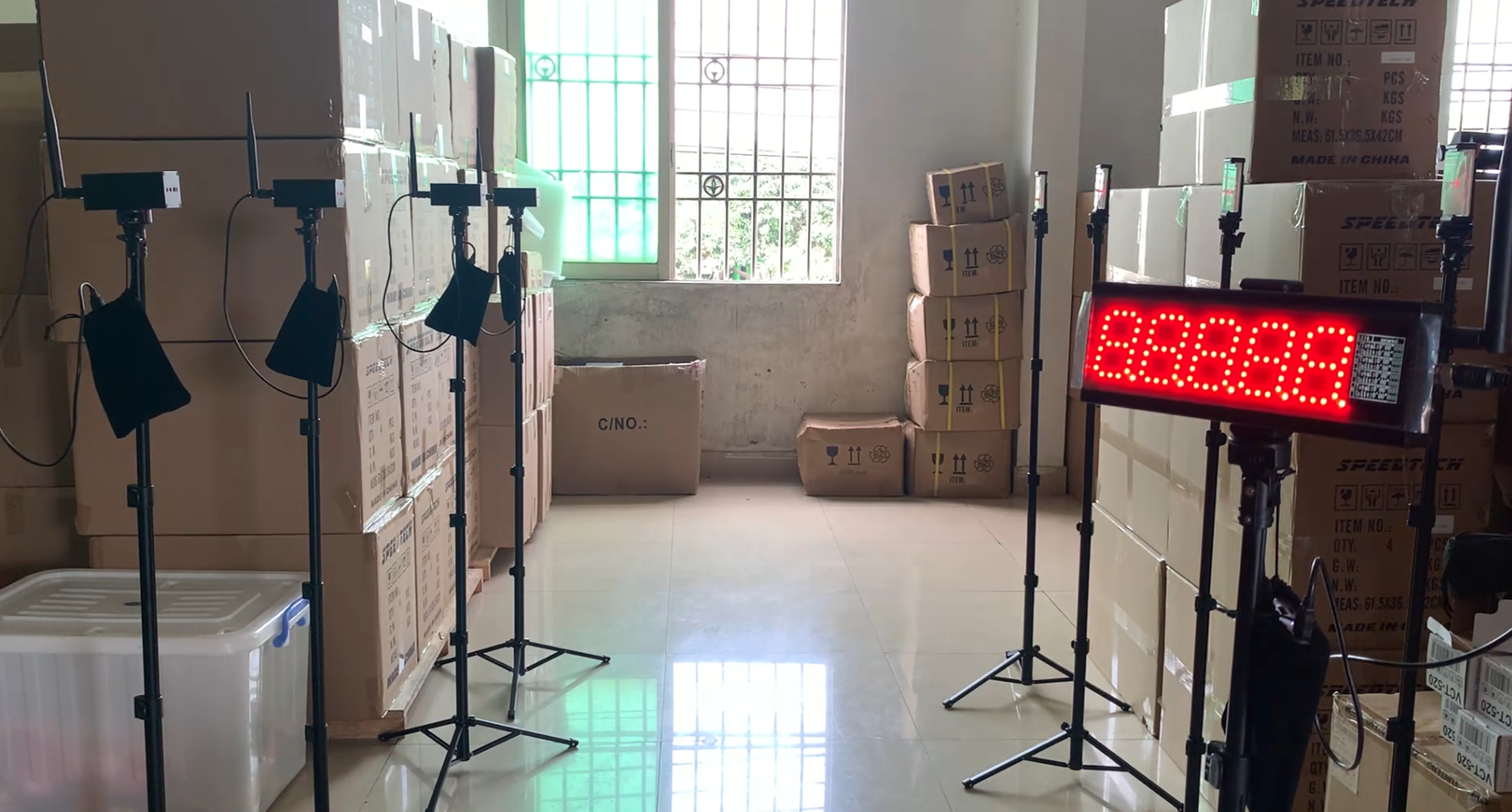
Sports Timing System Selection Matrix
Start with the session format, not the product name. This matrix maps starts, splits, laps and finish points to an operating layout. For buying criteria such as portability, gate count and display needs, use the wireless timing system buying guide.
Match the session format to a timing layout
| Timing need | What to look for | 01TIMER starting points |
|---|---|---|
| Sprint testing | Reliable start and finish gates, quick reset, and a clear result for each run. | S-009 and related laser-gate systems |
| Shuttle runs | Multiple direction changes, repeatable setup, and a workflow that keeps athletes moving between attempts. | S-002 and the shuttle-run guide |
| Splits or segments | Intermediate timing points and a display or software workflow that makes split results easy to review. | S-004 or S-007 |
| Multi-lap or long distance | Lap counting, finish identification, and enough operating range for the course layout. | S-005 and S-006 |
| Rally or motorsport | Course-specific timing points, durable installation, and a clear plan for power, visibility, and data collection. | Rally timing systems and technical support |
Questions to answer before choosing a model
How many timing points are required?
A start and finish setup is enough for a simple sprint test. Add segment or multi-point capability when you need intermediate splits, repeated checkpoints, or more than one lane in the same session.
Do you need laps, splits, or only a final time?
Write down the result you actually need to report. A final time, a sequence of lap times, and a set of segment times lead to different equipment and operating workflows.
Where will the system be used?
Measure the course, note the line of sight, and identify available power. Indoor testing, outdoor fields, tracks, and rally courses can impose different placement and weather constraints.
Who will operate it?
For schools and clubs, a straightforward reset and visible status can matter as much as the number of features. For a timing crew, integration, checkpoints, and repeatable procedures may matter more.
Move from the matrix to buying criteria
Once the session format is clear, compare portability, the number of timing gates, result visibility and installation needs in the wireless timing system buying guide. When requesting a recommendation or quote, include the event type, course length, number of lanes or checkpoints, target split or lap workflow, expected session size, and delivery country. 01TIMER’s quote page and setup support can then be used to confirm the model, package contents, lead time, and installation questions.
Important: Specifications, package contents, stock, shipping, and compatibility can vary by model and destination. Confirm those details on the individual product page or with 01TIMER.COM before ordering.
Further reading
For fundamentals, read Understanding Wireless Electronic Timing Systems from Scratch. For practical shuttle testing, see How to Time a Shuttle Run Accurately.