Motorsport Race Finish Timing: S-400 and ST-1000 Handover
Motorsport race finish timing links the timing booth, camera operator, results desk and race control. A short handover sheet makes each owner clear, including who controls the safe route for cars after the finish.
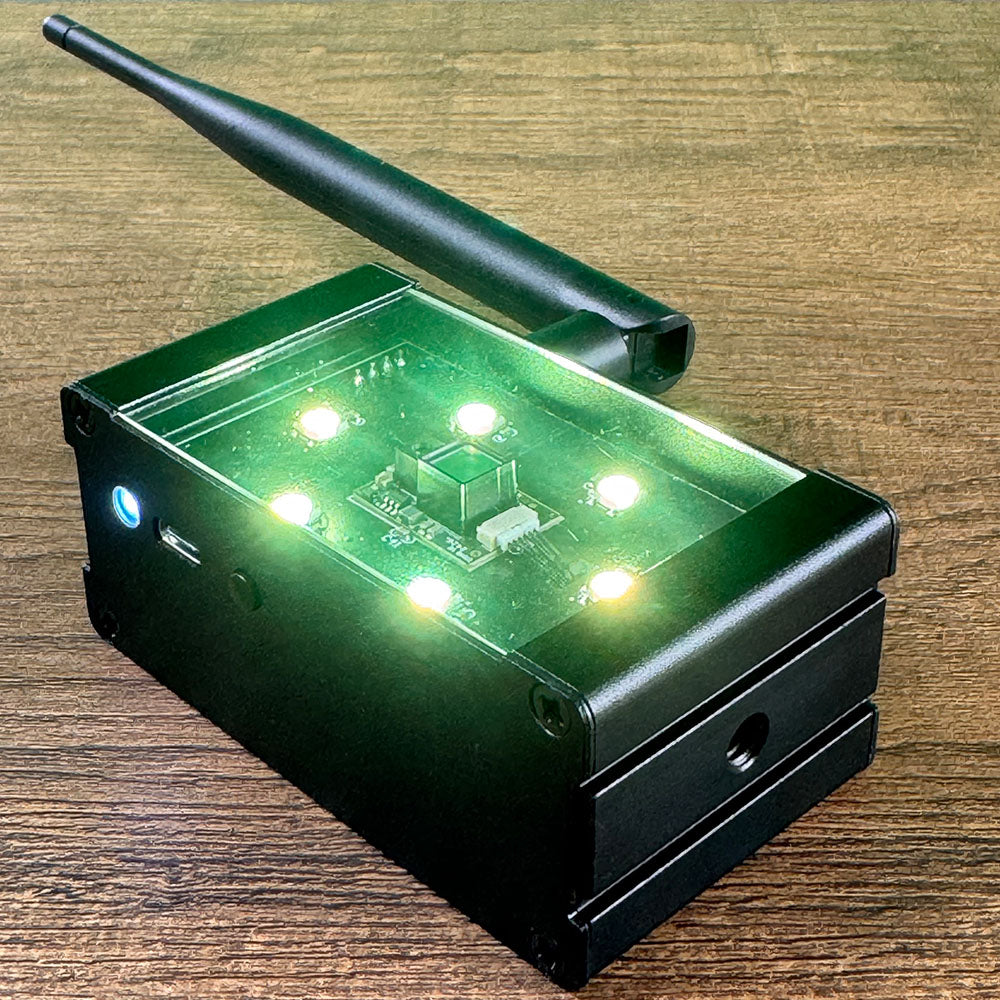
The S-400 is described as a configurable multi-point timing system. The ST-1000 product page lists motorsport, finish review and timing confirmation. These product descriptions do not establish that the models integrate automatically, are approved for a given championship or control vehicle recovery. Confirm the precise package and interfaces before relying on them in an event workflow.
Assign the four finish-line roles
| Role | Owns | Does not own |
|---|---|---|
| Chief timekeeper | Timing configuration, raw records and timing corrections under event rules | Track-clear or recovery authorization |
| Camera operator | Capture availability, file identity and source retention | Final classification unless appointed to decide |
| Results official | Provisional/final status and approved publication | Editing source records without an audit trail |
| Race control / clerk of course | Flags, course status and vehicle release instructions | Changing timing data without the timing process |
Small club events may combine roles, but write down the combinations and provide a second checker for close finishes. FIA guidance describes the chief timekeeper's responsibility for timing processes and records; the actual event regulations name which duties apply. Review the current Appendix V timekeeping provisions and the organizer's rulebook.
Use one event ID from course map to result
Create an event ID that appears on the S-400 station plan, timing export, ST-1000 capture folder, incident report and results notice. Identify each sensor by its function rather than only by its position: control line, sector one, pit split, practice finish. If the course changes, version the map and configuration so old data is not read against the new layout.
The S-400 station handover record offers a template for named points and shift sign-off. The data export guide shows how to keep IDs and raw timing fields attached.
Run the handover at three moments
Before vehicles go on course
Confirm the finish definition, active timing mode, station order, camera view, event ID, operator radio channel, backup method and stop-work authority. Test a vehicle or safe pass before qualifying.
When the chequered flag is shown
Race control confirms the flag procedure. The timing operator preserves the crossing record. The camera operator secures the capture. The results official marks the result provisional if a review or identity check remains open.
Before vehicles are returned or recovered
Race control and marshals confirm course status and release route. A sweep or recovery vehicle enters only under the event's safety plan. No timing event, finish image or display message is a clearance signal.
Handle a close or incomplete finish as a case
When an image or time needs review, pause only the result publication required by the rules. Record the reason, reviewer and start time; keep the raw S-400 result and original camera file unchanged. Use a working copy for annotations. The decision-maker applies the finish rule and documents any adjustment through the official correction process.
If timing and image evidence disagree, do not average the values or choose the one that looks more plausible. Check event IDs, time references, the physical line definition and the configured mode. Ask the chief timekeeper and designated official to resolve the discrepancy. The ST-1000 review guide covers source-file and review records; the provisional display workflow helps keep public messaging accurate.
Keep timing handover apart from the sweep vehicle
In some events, “收车” means the course sweep or recovery operation; in others it refers to closing the finish procedure. Put both meanings into the race-day plan in plain language. The finish timing team reports evidence and status. The safety team decides when a vehicle can return, recover a car or enter a live section.
Use a named radio call and repeat-back before release. Record the time, official and route. If communications fail, follow the event's stop procedure rather than improvising from a timing display. This separation protects staff and competitors while preserving a clean result record.
Race finish handover questions
Do S-400 and ST-1000 share the same clock?
The public product pages do not establish synchronization. Confirm the exact interface, timing reference and configuration with the supplier.
Who decides that the circuit is clear?
Race control or the appointed official under the safety plan. Timing operators report information but do not authorize entry.
Can this checklist make a local system FIA-approved?
No. Certification and acceptance depend on the exact system and event rules. Obtain written confirmation from the governing authority.
Handover rule: every result has a timing owner, every image has an evidence owner, every classification has an official decision-maker, and every returning vehicle has a safety release.