ST-1000 Camera Review for Close Motorsport Finishes
A motorsport finish-line camera review begins with one narrow question: what evidence do officials need when two cars cross close together? Define the line, reviewer and decision rule before the first session.
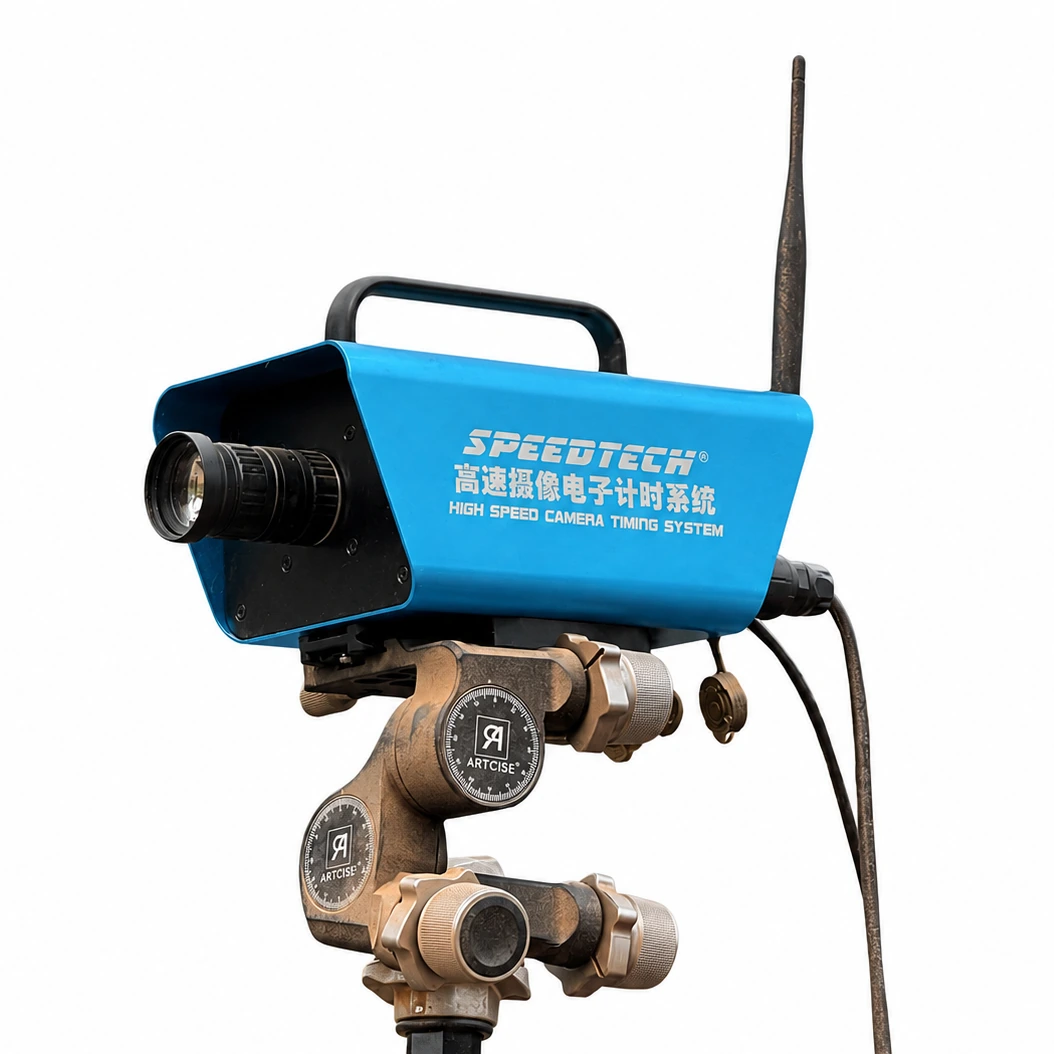
The ST-1000 product page describes a high-speed camera and timing system for motorsport, sprint finish review and event timing confirmation. Package-specific details such as mounting, power, operation and support should be checked with the supplier. This guide focuses on planning a finish-review process; it does not claim that a particular configuration is approved for every series.
Write the finish question in advance
“Which car finished first?” sounds straightforward, but the rule may specify a particular reference point, control line or official procedure. Record the event's exact finish definition and the rulebook edition. Ask the chief timekeeper or race official which evidence is authoritative and who may request a review.
For a championship or regulated competition, do not substitute a training camera workflow for the required official timing system. The FIA's current timing regulations assign responsibilities to the chief timekeeper and require appropriate equipment compliant with event regulations. See the current FIA Appendix V timekeeping provisions; local and series rules may add their own requirements.
Survey the camera's sightline and working area
Walk the finish from the proposed mounting position while the track is inactive. Check barriers, fencing, safety vehicles, officials, banners, lighting and the paddock return route. The selected angle must show the defined finish reference clearly without placing staff or equipment in a vehicle path.
Mark the mounting location and line reference in the venue diagram. Check the view from low and high vehicle profiles if the event uses different classes. Confirm weather protection, power, cable routing, equipment security and the operator's protected position with the supplier. The product page does not set a universal mounting distance or lens specification, so do not guess one.
Keep timing and image evidence connected by identity
A finish image is useful only if staff can connect it to the right session and competitors. Give each race a unique event ID; use it on the timing export, camera capture folder, incident log and official review note. Retain original files unchanged and make working copies for crops, annotations or exports.
| Record | Owner | Review check |
|---|---|---|
| Timing record | Chief timekeeper or timing operator | Correct session and vehicle identifiers |
| Finish capture | Camera operator | Source file retained with event ID |
| Decision | Designated official | Rule applied and review time noted |
| Correction | Authorized results operator | Original value and reason remain auditable |
The ST-1000 finish review guide describes a general evidence chain. If the venue also needs intermediate checkpoints, the S-400 product page lists configurable multi-point timing. Whether the S-400 and ST-1000 can synchronize or exchange records in a proposed setup must be confirmed explicitly; do not assume they interoperate.
For choosing among different venue needs, compare the timing system selection guide before requesting a configuration.
Before race week, run a dry review with a sample file and mock vehicle number. Time how long it takes to locate the capture, verify the event ID and pass the case to the appointed official. If retrieval is slow, fix the folder and naming system before live cars are on track.
Rehearse ordinary and exceptional finishes
Run a dry test with the race identifier, timing operator, camera operator and official reviewer. Confirm the camera view, file naming, retrieval speed and communication channel. Then test an ordinary finish, two vehicles arriving close together and a capture that cannot support a clear decision.
Define what happens if the image is blocked, the timing record is missing or the camera system is unavailable. The answer may be a manual observation, a secondary approved system or a provisional result, depending on the rules. A backup is not useful until staff know who activates it and how they mark affected results.
Keep course-clear and recovery decisions separate
The “sweep” or recovery vehicle belongs to the safety and course-clear procedure. Its release depends on race control, marshals and the event's track-status rules. A finish trigger or a camera image must never be treated as permission to send a vehicle onto a live course. Agree on radio calls and protected routes at the operations briefing.
For the larger picture, review the rally checkpoint results guide and the provisional result display workflow. Both help keep station records, review notes and public status aligned without replacing official decisions.
ST-1000 motorsport finish questions
Does the camera declare the official winner?
No. It can support a review workflow when configured for the task, but the designated official applies the event rule and releases the decision.
Can it work in rain or at night?
The product page does not establish universal environmental limits. Confirm the quoted package, protection, lighting and operating requirements for the venue.
Can it replace transponder timing?
Do not assume so. Ask the governing body what the primary and backup methods must be, then confirm the exact package against that requirement.
Pre-race approval: document the finish definition, camera position, operator, event ID format, review authority, backup method and rules reference before equipment is installed.