01TIMER.COM / Timing system guides / outdoor sprint timing conditions
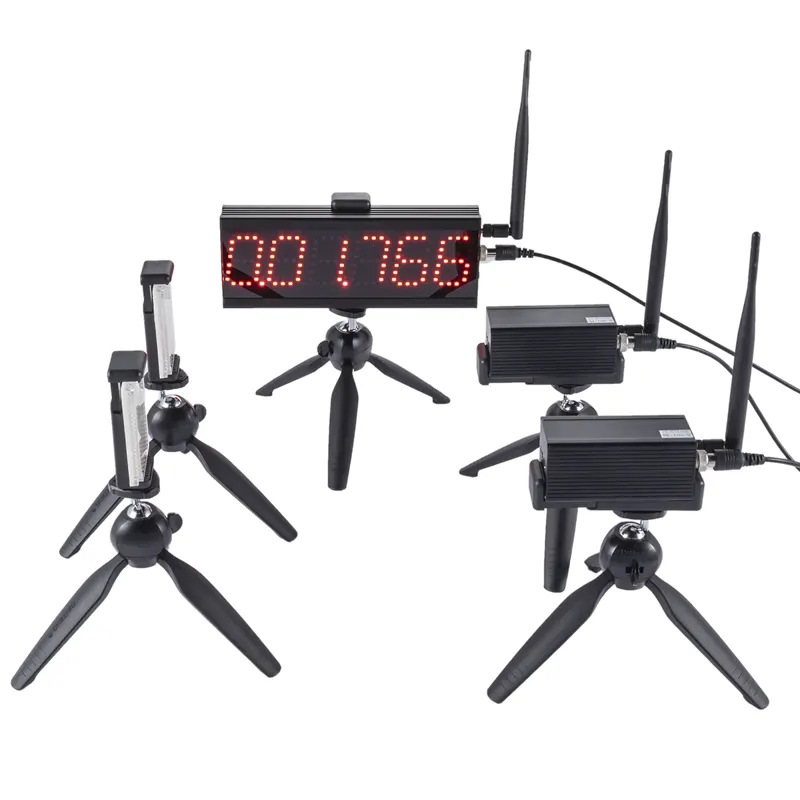
Recording Outdoor Sprint Timing Conditions in the Field
Two sprint times can be measured with the same timer and still answer different questions when the surface, wind, lane or gate position changes. A short conditions record keeps the number attached to the test that produced it. That makes the next training session easier to compare and easier to explain.
Separate training comparison from official results
Start by naming the purpose of the session. A coach may want a repeatable training benchmark, while a competition needs the rules of its governing body. The record can support both, but the labels should not be mixed.
World Athletics publishes competition and technical documents that assign responsibilities to starters, timekeepers and wind-gauge operators in applicable competitions. The official technical information library is the correct place to check the current rule set. A training note should never be presented as an officially ratified performance.
Measure the course before placing the gates
Mark the start and finish from one fixed reference, then measure the distance with the method used by your program. Note whether the lane is straight, whether the surface changes and how much run-out is available after the finish. Place the equipment only after those marks are final.
The S-006 product page describes a wireless laser system for longer outdoor start-to-finish layouts. Whether the course is short or extended, the same rule applies: the map and station names should be clear before the hardware is powered.
Write a conditions row for every testing block
| Field | What to record | Why it changes interpretation |
|---|---|---|
| Surface | Track, turf, court or other surface; note wet or loose areas. | Footing and traction can change acceleration and braking. |
| Wind | Direction and reading when a gauge is available; otherwise write the observed condition. | Outdoor air movement can affect a straight sprint and its comparison. |
| Light and visibility | Sun position, shade, glare or an obstruction near the timing point. | Operators need to know why a beam or display check was repeated. |
| Geometry | Distance, lane, start type, beam height and gate positions. | A different trigger point is a different measurement method. |
| Session state | Warm-up, rest, attempt number and any interruption. | Fatigue or a restart can explain a time change without blaming the device. |
Keep the row with the athlete result instead of storing weather in a separate note that can be lost. The athlete data workflow and CSV export guide show how to keep setup fields attached to each attempt.
Check beam height and body passage
A timing beam records the moment a specific part of the athlete breaks it. If the height changes, the recorded event can change too. A study of single-beam timing lights found that different heights produced different short-sprint measurements and made results hard to compare. Read the timing-light height study and use its conclusion as a documentation warning.
Set the height according to the selected model's instructions, then record it. Walk through the beam, check the expected display response and run one controlled passage before collecting scored attempts. The alignment and beam-height guide provides a repeatable check.
Use wind notes without overclaiming
Wind is part of the conditions, not a correction factor to apply casually. Record direction and the gauge location if a reading is available. If the session has no gauge, write that the condition was observed rather than inventing a number.
For a training block, the practical goal is to compare efforts under similar conditions or to explain why a session moved. For an official performance, follow the governing body's measurement location, timing and recognition rules. Keep those two uses separate in the report.
Compare only like-for-like sessions
Before comparing two results, line up the distance, start, surface, lane, beam height, split layout, recovery and weather notes. If one item changed, mark the comparison as limited rather than forcing a ranking. The 5 m versus 10 m split guide explains why a different gate spacing creates a different test.
A short result can still be useful when its limits are visible. Save the original rows, the conditions note and any correction or invalidation decision. That gives the next operator enough information to repeat the work without relying on memory.
Field rule: record the condition that changed before changing the equipment or the athlete's interpretation.
Questions about outdoor sprint timing
Do all training sessions need a wind gauge?
No. A training session can still produce useful comparisons when it records the observed wind condition. Official competitions may have specific wind-gauge requirements, so check the applicable rules.
Should wet and dry track results be combined?
Keep them in the same athlete record but label the surface condition. Compare them only when the purpose of the comparison allows that difference.
What should happen when a gate is moved?
Close the current testing block, record the new position and run the alignment check again. Treat later efforts as a new setup.