01TIMER.COM / Timing system guides / start command workflow
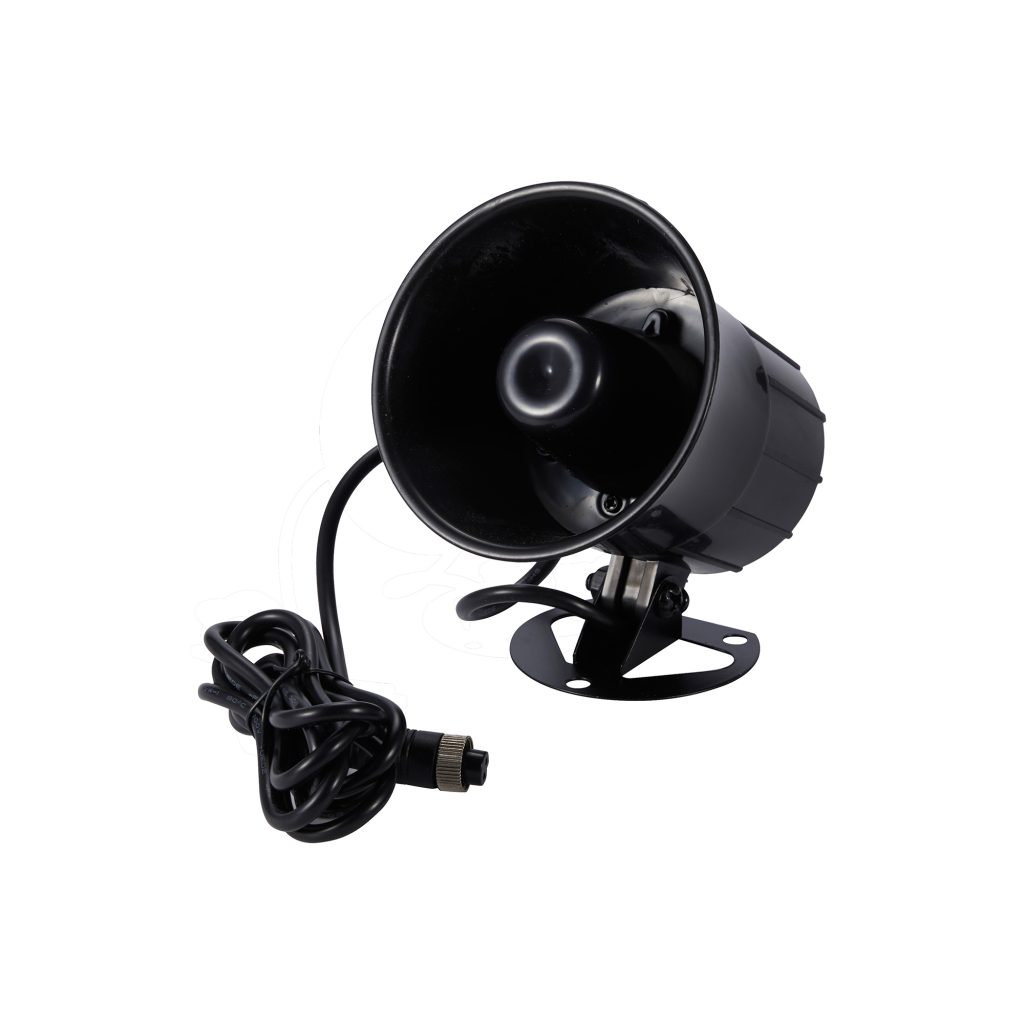
Sprint Start Speaker Workflow, Placement and Compatibility
A sprint start speaker can make one command easier to hear, but the speaker does not define the test. The operator still needs fixed wording, a known timing start event and a response when an athlete moves early or misses the sound.
Confirm the system before ordering
The 01TIMER Small Speaker page describes an audio accessory for command or start sound support. It also tells buyers to confirm the product model before ordering a replacement or spare. The page does not state that one speaker works with every timing system.
Treat the sprint start speaker as a model-specific part of the start workflow. Record the timer model, existing control unit, package or order reference and the role of the speaker. Ask whether the proposed accessory supplies the expected command audio in the selected mode. A connector that fits is not proof of electrical or operational compatibility.
Exact timer, controller and current package.
Who triggers the command and what starts timing.
Write the command sequence
Use the same words and pauses for every athlete. A basic sequence may include a call to the start, a ready instruction and the start sound supported by the confirmed system. Keep the wording short enough that athletes can learn it during one briefing.
Separate the sound they hear from the event that starts the clock. Some tests begin from a movement or sensor event, while others include an operator-led command. The S-001 and S-009 start-method comparison explains why those results belong in separate protocol series.
Place the speaker for the athlete
The athlete at the start is the intended listener. Set the speaker where the command is clear without putting equipment or cables in the running lane. Keep it away from the athlete's feet, the starter's walking path and places where spectators may move it.
Test from the exact start stance, not only from the operator table. Wind, crowd noise and nearby announcements can change what the athlete hears. If the start moves to another lane or distance, repeat the sound test.
| Listening check | Person | Pass condition |
|---|---|---|
| Command is intelligible | Athlete in start stance | Words or signal are identified without prompting |
| Operator hears playback | Starter at control point | Starter can detect a missing or interrupted sound |
| Other stations are not confused | Nearby lane staff | Command belongs to one named lane or heat |
Brief athletes before the first trial
Play the command once before scoring begins. Tell athletes what to do if they cannot hear it, move early or hear a sound from another lane. Give them one practice start so the first measured result is not also their first exposure to the procedure.
For tests that include reaction to a sound, write that fact in the test name. The reaction-time testing guide covers start definitions and result labels. Do not merge command-start times with a movement-triggered dataset unless the protocol is the same.
Run one good start and two bad starts
The normal rehearsal confirms that the command can be heard and the timer follows the planned mode. Then test an early movement and an unheard or interrupted command. The starter should know whether to cancel, reset or mark the attempt invalid.
- Record who may call an invalid start.
- Use one phrase that tells the athlete to stop safely.
- Reset the timing record before the next attempt.
- Add an exception note instead of deleting the bad trial without explanation.
The broader team testing workflow shows how queue control and result recording prevent the wrong athlete from receiving a time.
Inspect, label and pack down
After the last start, disconnect the speaker according to the model instructions. Check the enclosure, cable or connection point and any mounting item supplied with the compatible package. Label the speaker with the confirmed timer model or equipment-set ID before it returns to storage.
Keep a spare only when its compatibility is documented. The field spare-parts checklist separates model-specific parts from general tools, while the maintenance checklist provides the longer inspection cycle.
Questions about start-command speakers
Can the Small Speaker be bought as a general spare?
It is listed as a replacement or start-sound accessory, but the page requires model and package confirmation. Keep that confirmation with the inventory.
Should the speaker face officials or athletes?
Place it for the intended listener while keeping the operator able to detect a failed command. Test both positions at the actual start.
What should be sent to support?
Include the timer model, controller or host, order reference, current accessories, selected operating mode and a description of the start sequence through the contact page or quote form.