01TIMER.COM / Timing system guides / Football referee testing
How to Set Up the FIFA Referee 6 x 40m Sprint Test
The FIFA referee 40m sprint test looks simple on paper: six efforts, then record the trials. The details around the line, gates and recovery decide whether a session follows the December 2024 FIFA repeated sprint procedure. This guide keeps product choice separate from official approval and is useful for assessors preparing a controlled practice session.
Start with the current FIFA document
FIFA's Fitness Tests for Match Officials, December 2024, describes the referee repeated sprint ability test on page 8. The steps below summarize that edition. A national association may issue a local administration notice, so the test leader should check both before setting the course.
This is a referee fitness assessment, not a general sprint benchmark. Do not borrow its pass thresholds for players, other sports or a different test. Use the published version required by the referee program.
Mark the 40m course before placing equipment
The FIFA guide calls for electronic timing gates equipped with photocells, positioned no higher than 1 metre from the ground. It sets the start gate at 0m and the finish gate at 40m. The start line sits 1.5m before the start gate. Mark that line clearly, then place the gates square to the running lane.
| Course detail | Published setup | Check before the first trial |
|---|---|---|
| Start gate | 0m | Confirm the test's zero point and lane alignment. |
| Finish gate | 40m | Measure from the same course reference used for the start. |
| Start line | 1.5m before the start gate | Have each referee place the front foot on this line. |
| Gate height | No higher than 1m | Use the height stated by the FIFA guide, not a convenient tripod setting. |
Once the course is set, walk it from the start line to the finish. Check that athletes can run through both beams without changing direction and that stands, cables and bystanders stay outside the lane. Record the course marks and sensor heights so the next session does not depend on someone's memory.
Use the same start routine for every referee
The referee lines up with the front foot touching the marked start line. The test leader first confirms that the electronic gates are ready; the referee may then start. That cue matters. A self-selected start after a different pause changes the task and makes trial comparisons harder.
Keep the start instruction short and identical. For a group, name one person to call readiness and one to watch the line. Do not ask the timing operator to manage the queue, troubleshoot a beam and judge a start at the same time. The team testing-day workflow and S-009 solo sprint guide cover those adjacent field jobs.
Keep the six trials and recovery visible
The FIFA December 2024 guide calls for six 40m sprints. Referees get no more than 60 seconds to recover after each effort and walk back to the start during that period. A visible trial sheet helps the test leader track the clock without changing the recovery rule. Record each effort separately instead of keeping only a best time.
The same FIFA guide gives specific handling for an interruption or failed trial. If a referee falls or trips, the guide allows an additional trial. If one of the first six trials is failed, a seventh trial follows immediately after the sixth; failure of two trials means the test is failed. Do not invent an extra attempt for a different reason. Ask the responsible referee body how its current administration instructions treat an unusual incident.
Use one row per attempt with the referee ID, trial number, recorded time and any incident note. That leaves a readable record if a result needs review. Keep the timer's raw output where available and make any correction through the test leader's process, not by overwriting the first value.
Separate a practice timer from an accepted test system
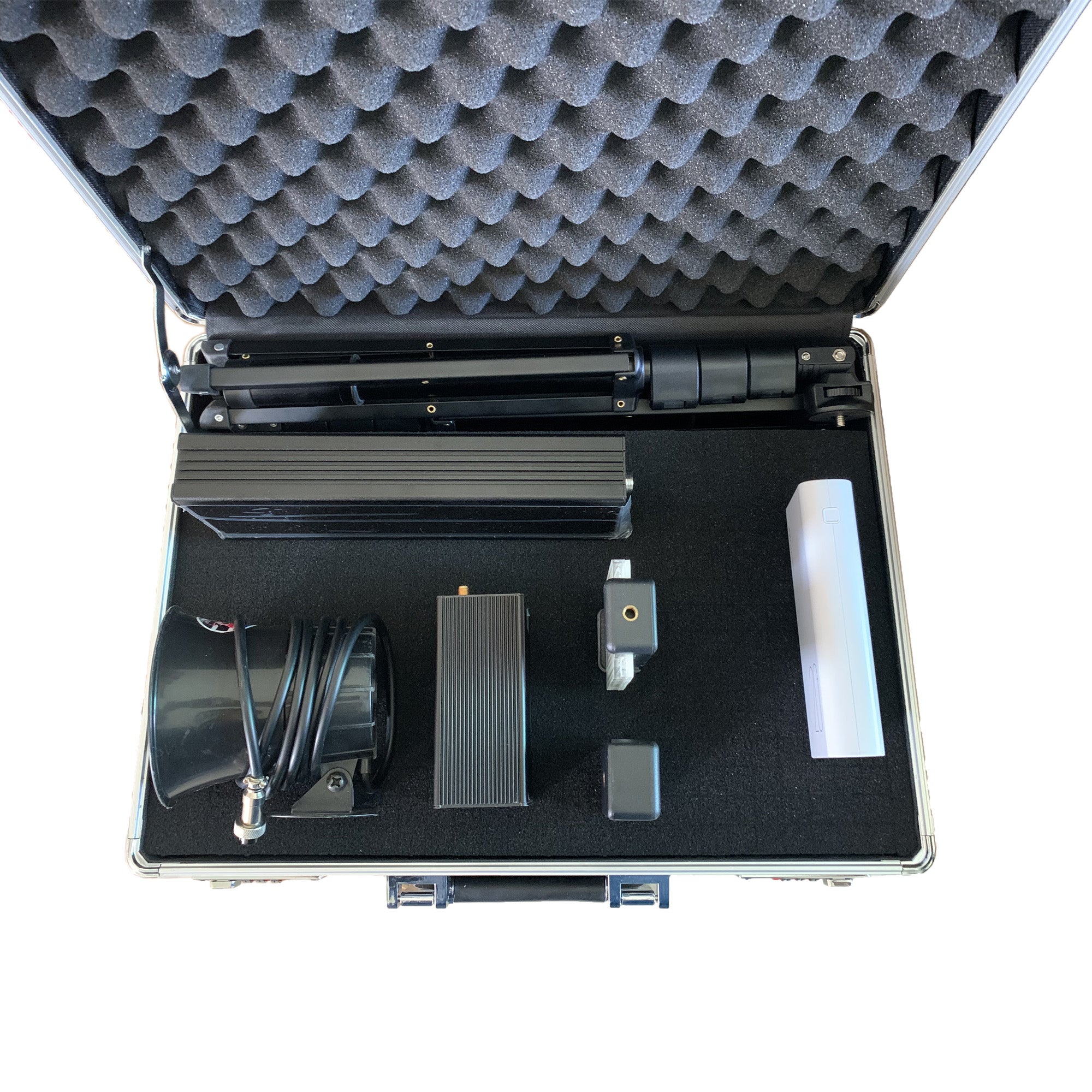
The FIFA guide specifies photocell-equipped electronic timing gates. The S-009 product page describes a wireless laser sprint-timing system for short sprint training. That description does not establish FIFA approval, equivalence to the required photocell setup, or acceptance by a federation. Get written confirmation for the exact model and configuration before relying on it in a formal assessment.
For practice, a coach can use a suitable gate to rehearse the distance and compare repeat efforts under one fixed setup. Label those results as training data. The repeated-sprint timing guide covers test layout choices, while the official-results explainer explains why a recorded time is not automatically an accepted competition result.
Plan the people and safety support too
The same FIFA document recommends a qualified physical instructor and states that a well-equipped ambulance must be present throughout the testing session. Follow the organizing body's emergency plan and venue requirements. Do not treat the timing setup as a substitute for the people and response arrangements named in the test document.
Before starting, brief the group on the course, the start signal, the recovery walk and who to contact if something goes wrong. Check the surface and clear the lane. For a general field setup, use the gate alignment and height guide and the outdoor sprint conditions checklist.
Questions about the FIFA referee sprint test
How far apart are the FIFA referee sprint-test gates?
The December 2024 guide places the start gate at 0m and the finish gate at 40m. It marks the start line 1.5m before the start gate.
How much recovery is allowed between 40m trials?
The guide allows a maximum of 60 seconds between the six sprints. Referees walk back to the start during recovery.
Does a training laser timer automatically qualify for the FIFA test?
No. The FIFA guide specifies photocell-equipped electronic gates. Confirm that the exact device, installation and local test procedure are accepted by the responsible referee body.
Before you run the session
For example, use a practice run to check whether the start cue, lane marks and record sheet are clear to everyone involved. That rehearsal can expose setup problems before a formal assessment, but it does not replace the referee body's approved equipment or administration rules.
Keep the core details together: a 40m course, six trials, no more than 60 seconds of recovery, and the published handling for failed or interrupted efforts. Confirm the current FIFA edition and local instructions, then document the exact system used. That gives the next test leader a setup they can inspect and repeat.