01TIMER.COM / Timing system guides / Competition timing
Can Timing Gates Produce an Official Track Time?
Timing gates can give a coach repeatable splits. That does not automatically make their readings official meet times, qualifying marks or records. The event rulebook and the timing method decide what each result can be used for.
Separate measurement from recognition
“The timer recorded it” and “the federation accepts it” are different statements. A training system can help a coach compare athletes, review acceleration or keep club results. An official meet adds rules for the timing method, staff duties and result review. Check those rules first.
A display with extra decimal places does not settle the question. Those digits describe the reading, not whether the setup meets the rules. Decide what the time is for: coaching feedback, a club result sheet, a qualifying mark or a record. Each use may have different conditions.
Check the rules for the actual competition
World Athletics' 2026 Competition and Technical Rules set out timing and photo-finish requirements for competitions governed by those rules. They also describe the officials assigned to these systems. For example, timekeepers act as backups when fully automatic photo-finish or transponder timing systems are in use. That is a governing-body rule, not a universal rule for every school event, local league or training session.
A national federation, school association or meet organizer may use different rules. Ask the official who checks the timing setup. A product name or a small time increment does not answer for them.
Use this pre-meet check before relying on a gate
| Question | Why it changes the answer |
|---|---|
| Which rulebook and competition category apply? | Requirements can differ by event level, discipline and record status. |
| What timing method is explicitly accepted? | A gate split and a photo-finish time may serve different jobs. |
| Who approves the result and handles a dispute? | Equipment does not replace the appointed official's decision. |
| Is a backup method required? | Staffing and records need to be ready before the start, not after a fault. |
Get a written answer when the time affects qualification or a record. Include the event name, rulebook edition, distance, proposed sensor or camera, staff role and backup plan. If the organizer cannot confirm that the method is accepted, use the timing gates for practice or club comparisons. Arrange the required official system for the meet.
For example, a club may track a runner's monthly sprint splits with gates, then enter that runner in a sanctioned meet using the required photo-finish setup. Keep the practice and meet records clearly labeled. Do not apply a guessed conversion between them; the start and finish definitions may differ.
Where practice gates fit
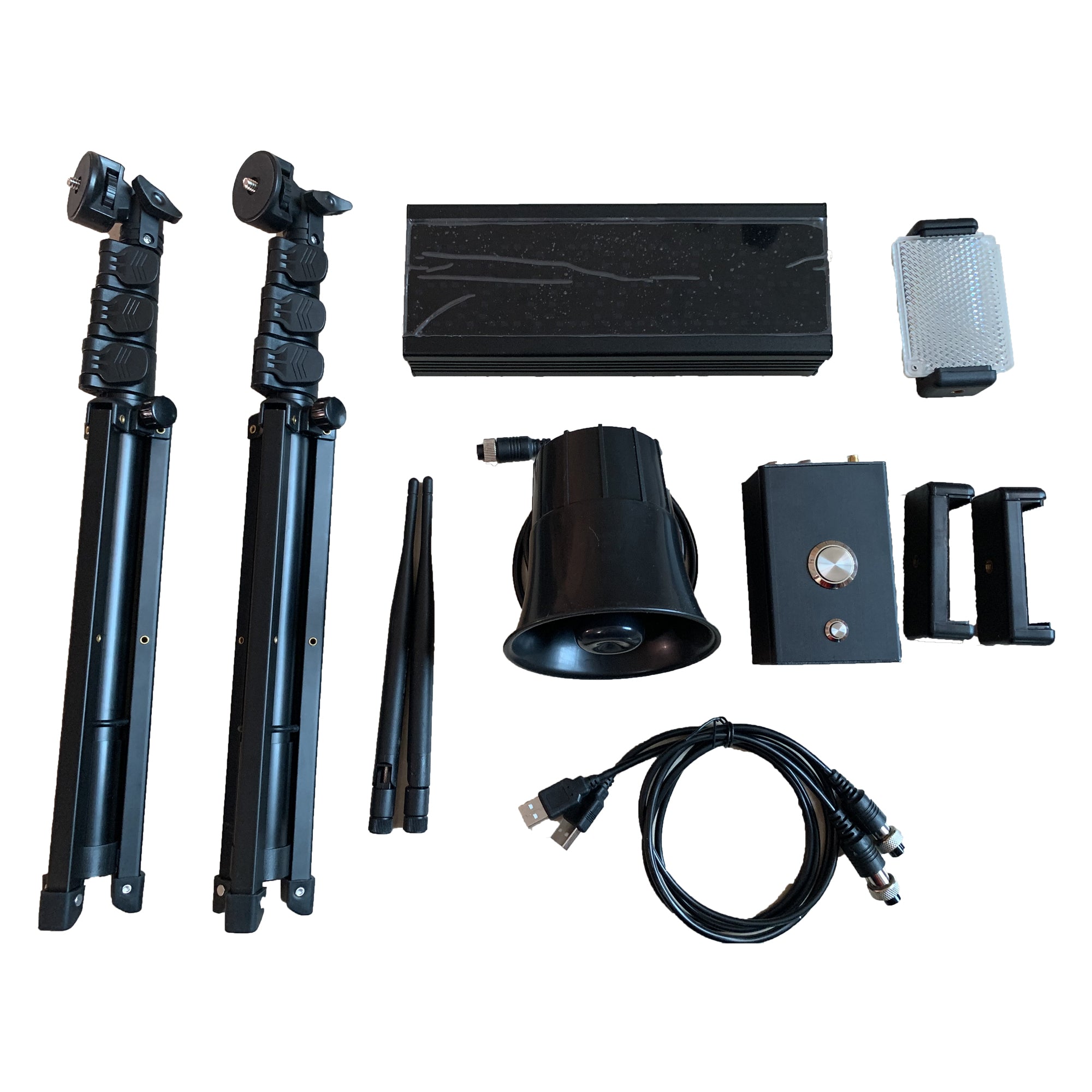
For training, consistency is often the main goal: repeat the same start cue, lane, gate position and result definition. The S-009 sprint system page describes a wireless laser timing product for sprint use. Confirm its current functions, package and operating conditions there; this article makes no claim that a particular kit is certified for a given federation or meet.
Use a session protocol that notes surface, weather, start method, distance and whether the athlete triggered the gate cleanly. The training-versus-meet planning guide separates coaching layouts from event operations, while the S-009 solo sprint decision guide helps define a repeatable individual test.
For multi-lane work, review the two-lane bracket workflow and the S-003 session guide. If the question is finish order rather than a training split, compare the finish-line camera review workflow and the photocell versus laser gate explainer.
Do not confuse a public time with an official one
A result on a scoreboard is easy to read, but visibility is not validation. The time may be preliminary while the timing operator checks a trigger, a photo-finish judge reviews the image, or an official checks an incident. The separate provisional display review workflow covers how to communicate that status without treating the number as final.
For public displays, plan placement and the result source separately. The display visibility guide covers the viewing position, while the ML-01 and X-001 PLUS fit guide compares display packages. Neither replaces the rulebook or official review process.
Keep a useful record even when the time is unofficial
A practice time still has value. Label it “training” or “club session,” keep the course and start definitions, and avoid calling it a certified mark. To match a system to a training job, use the timing system selection guide. If the job is an official meet, send the federation's requirement and event layout through the contact page before ordering.
Track timing questions
Can I use a training gate for a club meet?
Only if the organizer's rules permit the method for the purpose in question. Confirm whether it may publish a club result, serve as a backup or produce a result used for qualification; those permissions may differ.
Does a 0.001-second display make a result official?
No. Display precision does not establish that the method, installation, officials and documentation meet the competition's requirements.
Who should answer before race day?
Ask the meet director, technical delegate or governing-body official with authority over timing. Give them the exact event and system configuration, not just a product family name.