Relay Exchange Zone Timing: What a Gate Can Record
A split time may help a relay coach review a runner's approach or exit. It cannot tell whether the baton passed cleanly, or whether the exchange met the event's rules.
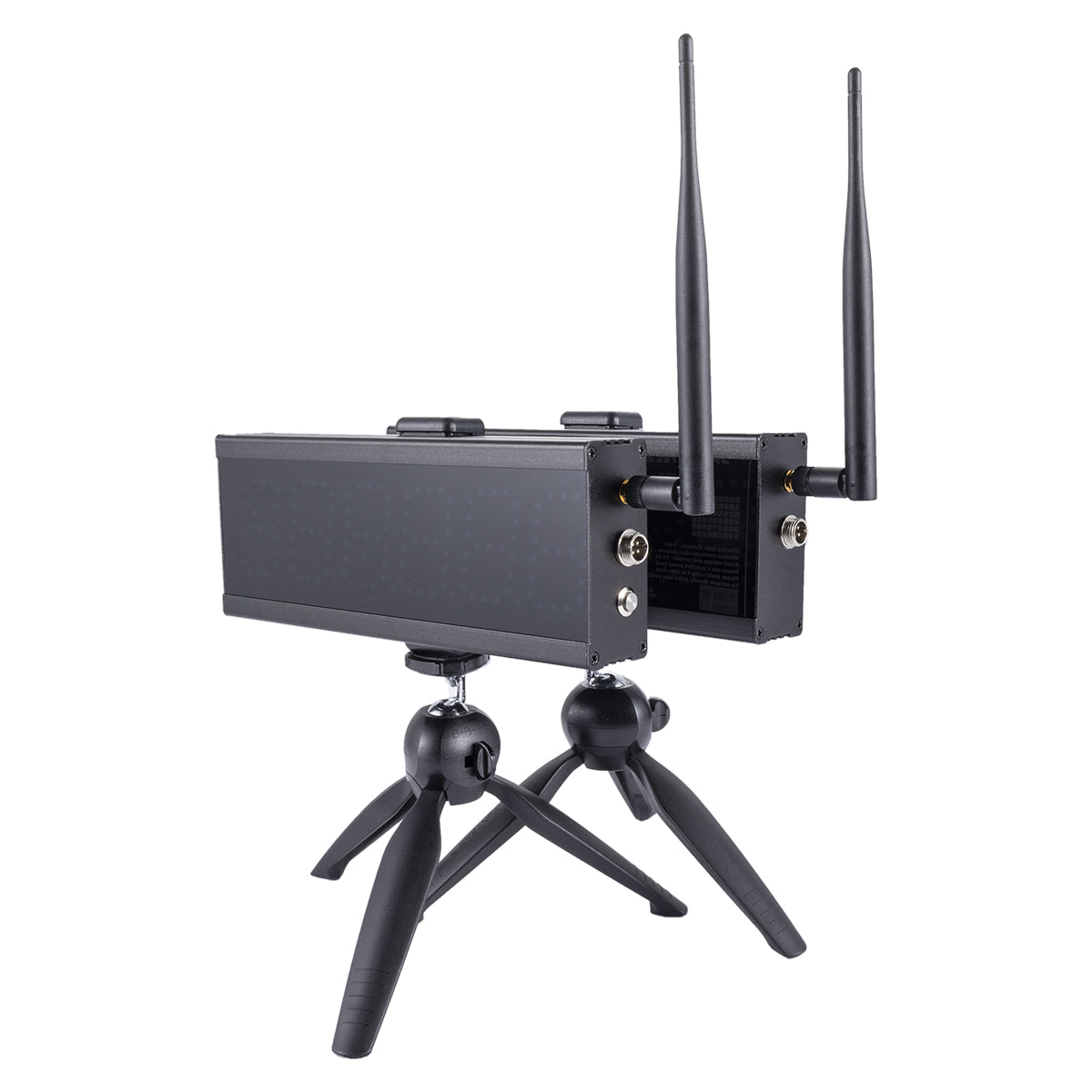
Use relay exchange zone timing gates to define a running section around a practice handoff, not to certify the handoff. The S-003 product page describes a two-lane system for race comparison and sprint training. Its package and mode should be confirmed for the proposed relay drill. A sensor crossing does not identify the exact baton-transfer moment or replace a coach, official or event rule.
Decide what the exchange drill is testing
A practice session may focus on the incoming runner's approach, the outgoing runner's acceleration, or the time through a larger section that includes the handoff. Choose one question and draw its boundaries. If the clock begins at an entry gate and stops after an exit gate, call it an entry-to-exit section time. Do not label it “handoff time” unless the protocol measures that exact event with appropriate equipment and a confirmed method.
Use the event's current rules for the exchange area and training layout. Keep timing hardware, tripods, operators and waiting runners away from the athletes' path. A two-lane drill needs lane assignments and a clear run-out for each pair. If that safe layout cannot be established, move the measurement to a separate straight-line rehearsal rather than crowding the exchange.
Separate the runners in the record
One result can include two athletes in the same lane at different moments. Without a written convention, a later review may not show whose passage created a trigger. Before the drill, decide whether the recorded split belongs to the incoming runner, the outgoing runner or the combined exchange section. Use a heat card that includes both athlete IDs and the timing field.
The S-003 lane workflow covers station labels and lane ownership. For a head-to-head relay exchange drill, assign one marshal per lane if staffing allows. That marshal calls the athlete pair, confirms the lane, and stops the next pair until the run-out is clear. The two-lane heat workflow has a useful read-back routine for names and results.
Rehearse the gates without a live handoff
First run one controlled crossing through each timing point with no baton transfer. Confirm the right lane and station name appear once. Then rehearse the exchange at reduced pace with a coach watching the handoff and an operator checking the timer. Only score a faster drill after both people agree the course is clear and the intended event was recorded.
If a gate registers the wrong athlete or misses a pass, mark the trial incomplete and inspect the layout. The alignment and beam-height guide helps with physical checks; the wireless connection guide is for stations that stop reporting. Do not repair a missing baton observation by inferring it from the timer output.
Build a practical exchange log
| Field | Example meaning |
|---|---|
| Pair and lane | Incoming and outgoing runner IDs, lane A or B |
| Course version | Gate positions and the practice exchange layout |
| Timing definition | Named entry-to-exit events and measured section |
| Exchange observation | Separate note by the assigned coach or marshal |
| Attempt status | Complete, incomplete, stopped or rerun under the session rule |
Export results with stable IDs using the CSV and roster guide. Keep exchange notes attached to the same attempt row. If a display is used for athletes or spectators, the LED placement guide can help choose a viewing point that does not interfere with the lane.
When the layout needs more than two points
If a coach wants separate times for the incoming approach and outgoing acceleration, a multi-point layout may be a better question for the supplier than trying to stretch a basic two-lane setup. The S-007 product page describes interval, segment and multi-track timing, while the S-400 page describes configurable sensor packages and stage points. Neither page guarantees a particular relay arrangement; confirm the gates, mode, venue and safety plan before ordering.
Send a lane sketch, exchange drill description, timing-point names and expected number of teams through the quote form. For model-specific setup help, contact 01TIMER support with the package and route version.
Relay timing questions
Can the clock identify the exact baton exchange?
Not from an ordinary gate crossing alone. Record the runner passage and handoff observation as separate events.
Can two relay lanes run at once?
The S-003 is described for two-lane timing, but confirm the selected mode and validate both lanes with a controlled pass before athletes run.
What happens when the baton is dropped?
Follow the session or event rule, stop if needed, and mark the trial status. Do not reinterpret a recorded time as a successful exchange.