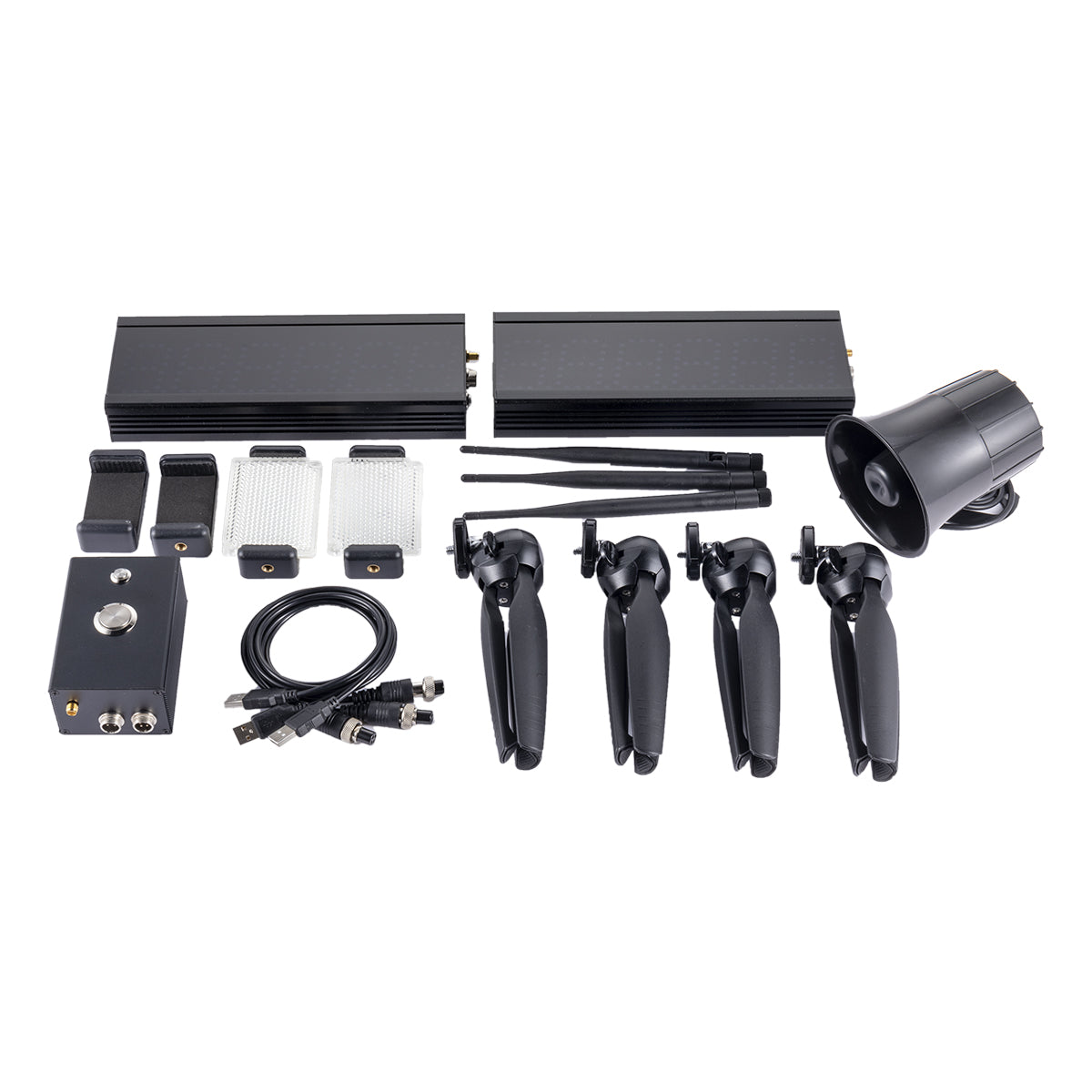
S-003 Timing for Two-Lane Sprint Brackets and Heats
A bracket adds pressure to a two-lane sprint session. The timing system still needs a quiet lane assignment, one start rule and a result check before the next pair steps up.
The S-003 product page describes a dual-track competition timing system for two-lane racing and comparison sessions. It lists two displays, two laser reflectors, tripods, a command speaker and an electronic control box for the stated package; confirm the current order and operating mode before an event. This guide adds the bracket paperwork and staff handoff around that equipment.
Set the bracket before switching on the timer
Print or display one heat sheet with a stable competitor ID, lane assignment and round. Decide whether the faster time advances, whether a finish order decides ties, and what happens after a false start or no-show. Put those rules beside the start operator. The S-003 dual-track session guide covers the physical lane setup; this process keeps the tournament record aligned with it.
Use a lane card that follows the competitor rather than a whiteboard that can be rewritten. If the event changes a lane for the next round, add the change to the next line and retain the earlier assignment in the record. That one habit prevents a good time from being attached to the wrong person after a late substitution.
Give each lane an owner
The start operator should confirm both IDs before giving the command. A lane marshal watches that each athlete stays on the marked path. The results operator watches the displays or host and writes the two result values in the heat row. One person can cover two roles for a small event, but name the responsibility before the first heat. The team testing workflow shows why queue and result duties should not float between staff.
Keep spectators and waiting athletes behind a visible boundary. If a participant enters the other lane, stop the heat under the event rule and mark the reason. A timing value without a clear lane identity is not a valid bracket result, even if the number looks normal.
Handle no-shows, false starts and ties in writing
| Situation | Record in the heat sheet | Before the next heat |
|---|---|---|
| No-show | Competitor ID, lane and time called | Apply the published bye or reseed rule |
| Early movement or missed command | Attempt status and who called the stop | Reset only when the rule permits a rerun |
| One finish not observed | Lane, event window and provisional status | Refer to the review or rerun decision |
| Tie | Both recorded values and the tie rule | Run the specified tie-break protocol or advance both |
The reaction-time guide explains why the start event and finish event must stay separate in a result record. Do not turn a no-show into a made-up zero or overwrite an invalid attempt with the rerun. The CSV and roster workflow helps retain the original row when the results desk needs to review it.
Check the two-lane course at each round
After a break, weather change or equipment move, compare both gate positions with their marks and run one controlled crossing in each lane. The alignment guide gives the physical sequence. If the start or finish has moved, create a new course note instead of mixing the times with earlier rounds.
Use the same marked distance and start command for both sides. The two-lane versus four-channel guide is useful when a bracket grows beyond two competitors at a time; a larger package changes staffing and lane planning, not just the number of displays.
Close each round before publishing it
The results operator reads each heat row back to the bracket official: IDs, lane, time, status and advancing competitor. Save the event record before editing the next round. If a display is used for spectators, remember that it shows a value; the signed heat sheet supplies the identity and rule context. Review the LED display placement guide when deciding who should see the number.
For a configured event with extra points, displays or quantity requirements, send the bracket format and course sketch through the quote form. For a package question or fault, include the S-003 model and lane record through the contact page.
S-003 bracket questions
Can one operator run a two-lane bracket?
For a small session, yes, if the course is safe and a second person checks the result. The operator should never guess an ID after the finish.
Should the faster lane always advance?
Use the event's written advancement rule. Timing equipment reports events; it does not decide an unpublished tournament rule.
What if a gate moves between rounds?
Pause, restore or resurvey the position, run a controlled check and label the affected round. Keep course versions separate.