B-01 PE Sprint Station Rotation Plan for Coaches
A class does not need a complicated tournament to benefit from electronic timing. It needs a short queue, a visible start rule and a station that can be checked each time the group changes.
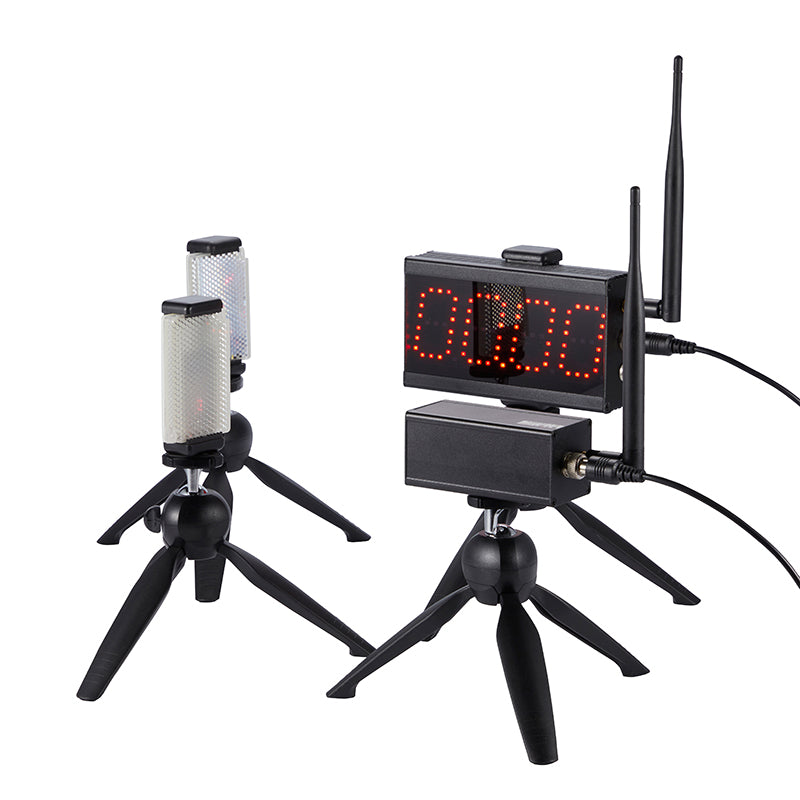
The B-01 portable wireless timing kit is described for coaches, sprint testing and field sessions. Its page lists a carry-case kit with a timing host, laser sensor, tripod accessories and charging equipment; exact modes and accessories remain model-specific. This guide covers the teaching workflow around one start-to-finish station. It does not promise a particular class size or replace the current product instructions.
Design the class around one repeatable station
Choose a straight running line with a clear run-out and room for students waiting away from the lane. Mark the start and finish positions with tape or cones that will remain visible as groups rotate. Write the test distance, start method and number of attempts on a station card. The 30 m, 60 m and 100 m guide shows why the distance alone does not define a comparable sprint; the start rule and rest plan belong on the same card.
With a small class, one teacher may hold all three jobs. With a larger class, rotate the recorder or place a student helper at the queue, but keep the timing control with a trained adult. A station works when everyone knows which event starts the clock and who owns the result.
Use a queue that keeps the lane calm
Split students into a waiting line, a ready position and one runner. The next runner reads the station card while the current runner returns through the marked side of the lane. Do not let a student step into the finish area to collect a result while another runner is approaching. A simple rotation can be: call the next ID, confirm the lane is clear, give the fixed start command, watch the finish, then write the result before releasing the following runner.
The team testing workflow covers queue control in a larger session. For PE, the same principle matters even more: the line should not change the timing rule. If a runner misses the command or another student enters the lane, mark the attempt for review instead of silently repeating it.
Recheck the station after every group change
Students can help return cones, but a changeover is not complete when the equipment looks tidy. Compare the tripod positions with the marks, inspect the sensor path and confirm the host still shows the intended station. Run one deliberate crossing before the first scored attempt from the new group. The beam alignment guide provides the physical checks, while the maintenance checklist helps when a reflector or tripod has been touched or turned.
Keep attempts comparable
| Record | Why it belongs on the sheet |
|---|---|
| Student ID and group | Prevents a result from being assigned to the next runner. |
| Distance and start method | Separates a standing start from a flying or rolling effort. |
| Attempt number | Shows whether the class followed the planned number of trials. |
| Exception note | Explains a missed command, lane intrusion or equipment move. |
Give students enough rest to repeat the same task, then keep the interval broadly consistent within the group. The repeated sprint guide covers the value of recording the sequence rather than keeping only the fastest number. If the lesson goal is technique, show the student the result after the run; if it is a formal assessment, keep result review until the station is closed.
Close the lesson with a clean handoff
Before packing the B-01, confirm that every student record has an ID, result status and note for any rerun. Export or copy the results using the CSV and roster workflow. Check the kit against the field spares checklist, then follow the maintenance checklist for cleaning, charging and storage. A short pack-down record makes the next PE class start at the same marked positions.
If the lesson needs an LED result visible to a whole class, confirm the display as an option for the exact package through the quote form. For questions about an installed kit, include the model and session mode on the contact page.
Questions about PE station rotation
Can students operate the B-01 themselves?
They can help with the queue and record under supervision. A trained operator should control the start, alignment check and validity decision.
Should every group run a warm-up pass?
Yes. One unscored pass after a changeover catches a moved tripod and gives students a chance to rehearse the start.
Can the fastest result be the only result kept?
Keep the attempt sequence and exception notes. A single fastest number hides whether the group followed the same protocol.