Long Jump Run-Up Timing: Build a Useful Split Plan
A runway time is most useful when it answers one small question. Did the same approach section take a similar amount of time today, or did the pattern change before takeoff?
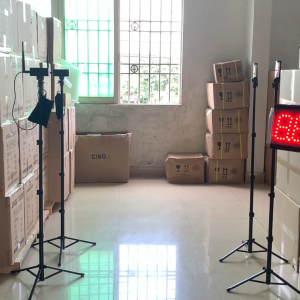
Timing gates can add elapsed-time checkpoints to a long jump approach session, provided the chosen equipment can be installed safely and confirmed for that layout. The S-007 product page describes a multi-point system for interval, segment and multi-track timing. Its configuration and operating mode are model-specific. A gate time is not a takeoff-board judgment, jump distance or technical diagnosis.
Choose the coaching question first
Before placing a sensor, decide what the coach wants to compare. A full approach time may be useful for checking whether the athlete arrived at a familiar rhythm. A shorter final section may help isolate the run-in near the board. Those are different measurements. Do not label both “approach speed” without recording the start and finish planes.
The S-007 layout guide recommends listing events before equipment. Apply that idea here: draw the start mark, each timing plane and the takeoff board. Measure the distance between planes along the runway. Keep the board outside the timing definition unless the operator instructions and safe placement specifically support it.
Keep approach attempts comparable
Use one runway, one direction and one approach-start rule for the block. Mark the athlete's starting point and the gate positions so the setup can be restored after a break. Note whether the run begins from a standing start, a walk-in or another agreed routine. A faster split after moving the start mark is a different protocol, even if the finish gate stayed put.
Long jumpers may adjust their stride pattern as they approach the board. A timing split cannot tell whether the athlete's final steps were technically sound. Pair the time with the coach's checkmark notes and the result of the jump. If a gate crossing changes the athlete's path or focus, remove it and use a safer observation method. The alignment guide covers general beam checks, but a runway still needs a layout review specific to the venue.
Keep the landing pit and the return route out of the timing station. Let the jumper leave the runway before the next athlete approaches. If the coach changes the takeoff mark or shortens the approach for a drill, write that as a separate block rather than folding it into the full-approach series.
Run a short validation before recording
Have one athlete make a controlled pass at the intended approach pace. The operator should confirm each checkpoint appears once and in the expected order. Repeat with a different stride pattern or footwear only if those differences are part of the session. If a sensor fails to register a pass, do not estimate the missing time from a neighboring split.
For an approach with two or more checkpoints, use the same field names every time. The cumulative-versus-segment guide distinguishes start-to-checkpoint times from checkpoint-to-checkpoint times. A coach can compare the two, but the original gate events should remain in the result record.
| Record field | Example |
|---|---|
| Approach version | Runway A, start mark R2, gate map 1 |
| Timing field | Start-to-near-board plane or mid-runway-to-near-board plane |
| Athlete context | ID, attempt number and warm-up status |
| Coach observation | Checkmark note, board contact and jump result stored separately |
Read the number with its limits
If the split changes, first confirm that the course, start and gate events stayed the same. Then compare the run-up observation and jump outcome. The time may tell the coach where to look; it cannot identify why the athlete changed pace. Avoid using one run as a verdict on an athlete's technique.
The flying sprint guide also separates a run-in from a measured zone, while the sprint distance guide covers protocol context in straight-line tests. For outdoor sessions, record surface and weather notes using the outdoor timing conditions guide.
Save raw attempts with athlete identifiers through the CSV and roster workflow. If a multi-point runway layout is being considered, send the runway sketch and required checkpoints through the quote form; confirm the package and safe operating position before scheduling athletes.
Long jump timing questions
Does a faster run-up split mean a longer jump?
Not by itself. A split is elapsed time between gates, while jump outcome and takeoff execution need separate observation.
Can the timing gate decide whether an attempt is a foul?
No. Use the event's judging process for board contact and attempt validity.
Do I need several gates?
Only if the coaching question needs more than one checkpoint and the selected package can support a safe, confirmed layout.