01TIMER.COM / Timing system guides / Multi-lap timing support
How to Audit a Missed Lap in an S-005 Timing Session
An S-005 missed lap audit starts when the counter is one short or an interval looks impossibly fast. The right first step is neither deleting nor inventing a result. Preserve the sequence, reconstruct what crossed the line and test one possible cause at a time.
Freeze the session record before changing the setup
The S-005 product page describes a system for repeated lap timing and total-time measurement. When the count does not match the planned session, photograph the display or save the available output before resetting anything.
Write down the athlete, start time, expected laps, recorded laps and the point at which the observer noticed the mismatch. Add weather, surface and power notes if they may matter. If several athletes shared the timing line, identify who was near it during the questionable interval.
Do not overwrite the raw result. A correction made from memory can hide whether the problem was a missed crossing, an extra beam break or a recording mistake.
Give the S-005 missed lap audit its own incident ID. That keeps photos, observer notes and controlled tests together without mixing them into the athlete's untouched raw record.
Classify the symptom from the lap sequence
| Observed pattern | What it may indicate | Next check |
|---|---|---|
| One lap missing | A crossing did not create a recorded event | Crossing path, beam line, alignment and connection |
| One very short lap | An extra event occurred between normal crossings | People, equipment or limbs near the beam |
| All later laps shifted | The first mismatch changed the sequence | Observer notes and expected split order |
| No laps after one point | A persistent state or power problem may have begun | Device status and product troubleshooting steps |
These are diagnostic categories, not proof. A genuinely fast interval can be real; a missing interval can also be a record-handling error. Mark the suspicious section and look for a second piece of evidence before editing any report.
Reconstruct what crossed the sensor line
Start with the athlete's path. Did the athlete pass through the same part of the timing line on every lap? Did a turn, lane change or group overtake move the athlete outside the tested beam? Was a coach, cone, hand or piece of clothing close to the line between expected crossings?
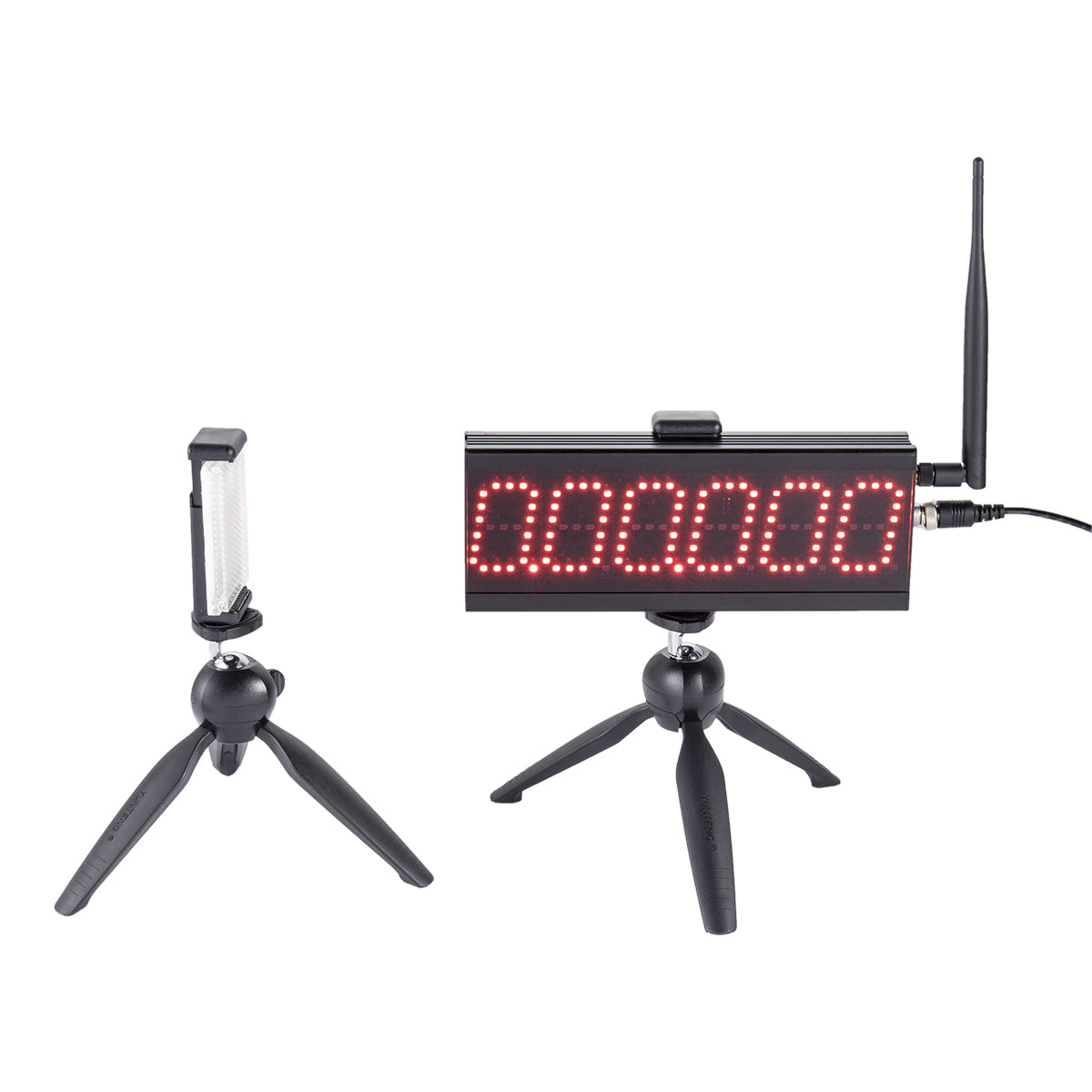
Next, inspect the physical setup without changing it. Note tripod position, reflector position, beam height, line of sight, antenna position, cable route and power state. Photograph both sides. Then compare the setup with the alignment and beam-height guide and the model's own setup instructions.
Other timing technologies publish similar symptom categories, such as line-of-sight loss and unwanted crossings, but their settings are not S-005 settings. For example, the Spektrum lap-timing manual documents those patterns for its infrared system. Use it only as an illustration of diagnostic logic, never as a control guide for 01TIMER equipment.
Check connection and power after documenting the scene
Once the original setup is recorded, follow the S-005 setup guidance to check power, wireless connection and sensor readiness. Avoid random adjustments. Change one item, run a controlled crossing, and record whether the expected event appears.
A useful sequence is: verify power, confirm the required devices are connected, check alignment, then walk through the crossing path. Repeat the walk-through from the left, center and right portions of the lane if athletes do not follow one narrow path. Keep people outside the beam while testing for extra triggers.
The wireless connection checklist, maintenance checklist and spare-parts field checklist provide separate, model-aware checks. Stop and contact support when the documented setup passes those checks but the symptom repeats.
Use a controlled crossing test before restarting the group
Do not send the next athlete into a full session immediately. Run a short test with a known number of crossings. One person crosses the beam at a steady pace while another counts aloud and a third records the displayed events. Keep the path consistent.
Then repeat with the actual approach direction and speed used in the session. If the first test passes and the realistic test fails, the difference between them is useful evidence. It may point to the crossing path, traffic around the line or a setup condition that only appears at speed.
Record the device state before and after the test. If you contact support, send the model name, package configuration, photos, event sequence and the smallest repeatable test. “It missed a lap” is hard to diagnose; “the third of five center-line crossings was absent in two controlled runs” is actionable.
Correct the report without erasing the raw data
If the organization allows corrections, keep three fields: raw value, reviewed value and reason. State who reviewed it and what evidence was used. An observer's manual split, video timestamp or duplicate timing source may support a reviewed value, but each has its own uncertainty.
Never interpolate a missing lap and present it as measured. If you estimate a value for training analysis, label it as estimated and exclude it from records that require measured times. The cumulative versus segment time guide helps prevent a second error when reconstructing intervals.
For the next session, add an observer crossing count and a pre-session test to the workflow. The multi-lap workflow guide and S-005 result review guide show where those checks fit.
Questions about missed lap timing
Should I insert a missing lap time by hand?
Keep the raw record unchanged. If your organization permits an estimated or corrected value, store it separately with the method, reason and reviewer instead of replacing the original sequence.
What should I check first after a missed S-005 lap?
Confirm the expected lap count, preserve the display or export, and compare the athlete's actual crossing path with the sensor line. Then check alignment, power and connection using the product instructions.
How can I tell an extra trigger from a fast lap?
Compare the interval with the surrounding laps and the observer log. An implausibly short interval near a known crossing disturbance should be flagged for review, not automatically deleted.
Turn one anomaly into a better field routine
A useful S-005 missed lap audit ends with a repeatable check, not a guess. Preserve the raw sequence, recreate the crossing, make one change and test again. Keep the evidence with the session record.
That approach protects both the athlete's result and the next testing day.