How to Time Running Between Wickets in Cricket
A beam can tell you when a batter passed a timing point. It cannot decide whether the batter made good ground behind the popping crease.
What the Laws require
Under MCC Law 18, a run is scored when the batters have crossed and made good their ground from end to end, subject to the rest of the Law. Law 30 describes when a batter is out of their ground: some part of the person or bat must be grounded behind the popping crease at that end, with a specific exception for a batter running or diving toward the ground after having grounded beyond the crease.
That is a movement-and-position judgment, not a time calculation. If a sensor breaks when a torso passes a beam, it has not established whether a bat crossed the relevant line or whether the batter made good their ground. Keep the observer or umpire responsible for the validity call.
What a published batting study measured
A 2019 study by Christie and colleagues examined repeated between-wicket shuttles in 20 batters. The indoor work bout used a 17.68 m pitch and a seven-over protocol. In the higher-volume condition, batters completed a double shuttle on every delivery; in the moderate-volume condition, they completed it on alternate deliveries. Two infrared timing devices were placed at torso height at opposite ends, 2 m from the popping crease. Research assistants checked separately that each batter placed part of the bat beyond the crease while turning.
Times rose in the high-volume condition from the third over, while the moderate-volume condition maintained sprint times in this test. That is a useful example of a study protocol, not a universal coaching prescription or match benchmark. The known work bout, indoor conditions, sample and delivery setup all matter when interpreting the result.
Sensor record
Elapsed time between configured beam events, plus the exact point and body segment that trigger them.
Scoring record
Whether the batter satisfied the drill or Laws-based line rule, judged by an assigned observer.
Draw the course around the crease, not around the tripod
Mark the required popping creases first. Then mark the sensor planes and note the distance from each sensor plane to its crease. The 2019 researchers placed devices 2 m from the crease; copying that offset does not make another drill identical, and a beam placed before the line will record passage before the crease action is complete. The timer's clock and the observer's validity decision should remain separate.
Keep the route free of waiting batters, fielders and loose kit. Put the operator where the start command and display can be checked without standing in the running lane. Rehearse walking and sprinting approaches from both ends. The alignment and beam-height guide covers a controlled crossing check, while the S-002 session guide explains the basics of a same-point return setup.
Match the system to the result you want
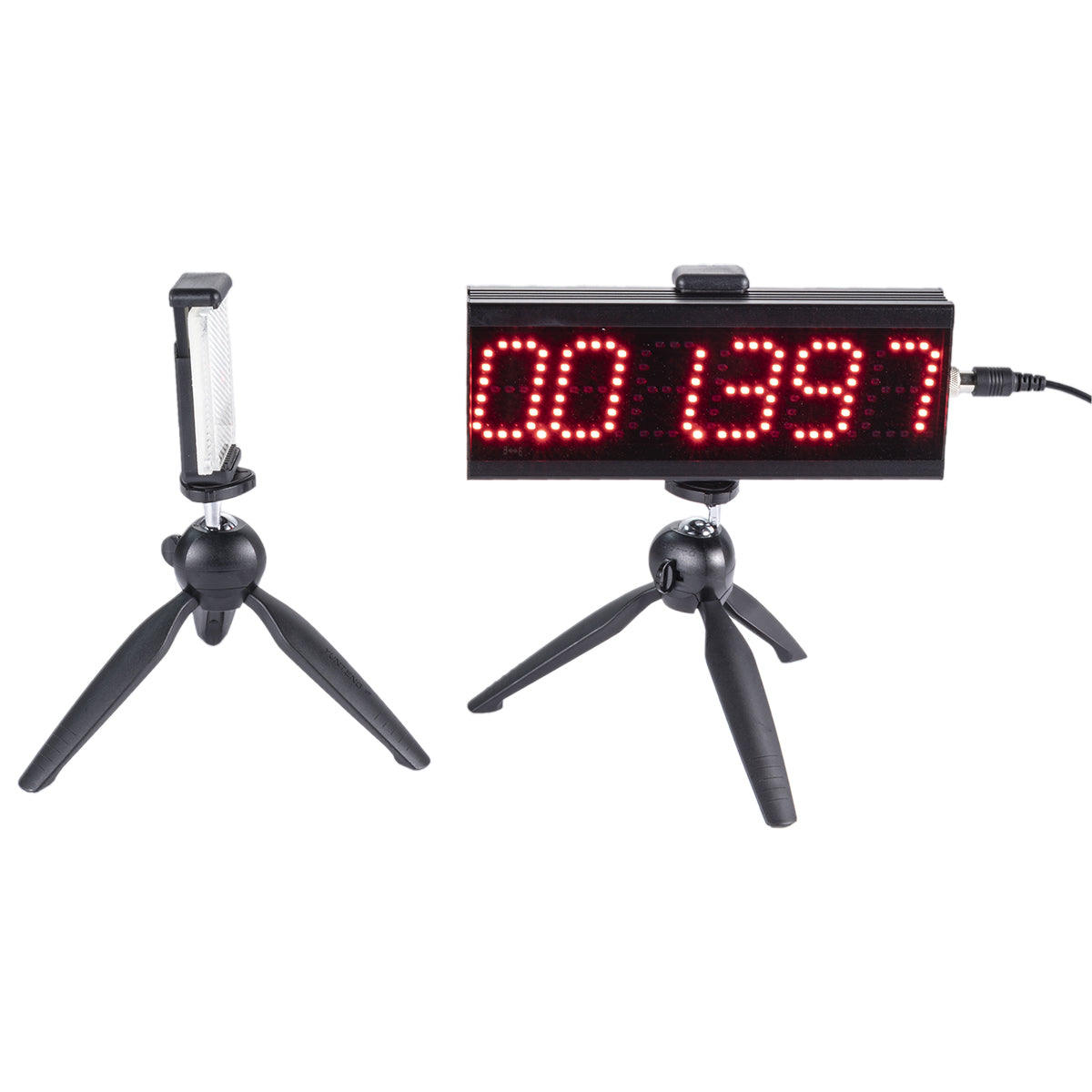
The S-002 product page describes a single-person, same-point turn-back timer for a shuttle run. That may suit a practice drill asking for one elapsed leave-and-return time. Its description does not promise a separate timestamp at both ends, one time per run, or an official cricket scoring decision. If the session needs an interval at each end, confirm that exact operating mode with the instructions or supplier before building a test around it.
The course-based S-002 versus S-005 guide can help separate a return time from repeated lap records. If the task is still evolving, start with the timing-system selection guide and list the crossing sequence before selecting equipment. Do not infer that two devices are interchangeable just because both use a beam.
Use a score sheet that a second coach can audit
Use one row per shuttle, not one row per over. Record batter ID, over and delivery, requested run pattern, sensor-to-sensor time, turn direction, crease validity, interruption and observer initials. If the batter misses a crease or a delivery changes the run, mark the trial invalid rather than silently including its time.
For repeated tests, keep surface, shoes, route, bat and protective equipment, warm-up, delivery pace and work-rest structure as stable as practical. The shuttle comparison guide and field test template offer useful fields. Store raw times with the roster using the athlete data workflow and CSV export process.
- Brief the crease rule and show the sensor line separately.
- Have the observer rehearse the validity call before scored runs.
- Run one unscored shuttle, then confirm the timer and record sheet agree.
- Keep time, validity and any exception in separate columns.
Do not turn a training result into an official call
A measured practice time can help a coach compare repeated efforts under a fixed drill. It cannot determine whether a run should be credited during a match. Match decisions remain with the officials applying the current Laws and event procedures. For equipment questions that are not answered on a product page, share the course drawing and intended event sequence through the setup inquiry form.
Sources
- Christie CJ et al. (2019), repeated shuttles between the wickets during batting in cricket.
- Marylebone Cricket Club, Law 18: Scoring Runs and Law 30: Batter out of their ground.
Common questions
Does the timer start when the batter leaves the crease?
It starts when the configured sensor event occurs. State that event clearly; a sensor plane may be offset from the crease.
Can one same-point timer record every run between wickets?
Its published use describes an elapsed leave-and-return result at one point. Confirm the selected equipment can record each crossing or split if that is what the drill requires.
What should be done with a fast but invalid shuttle?
Keep its raw time and mark the rule violation. That preserves the session record without treating the effort as a valid score.